
Patient Education
Root Canal Recovery: What to Expect
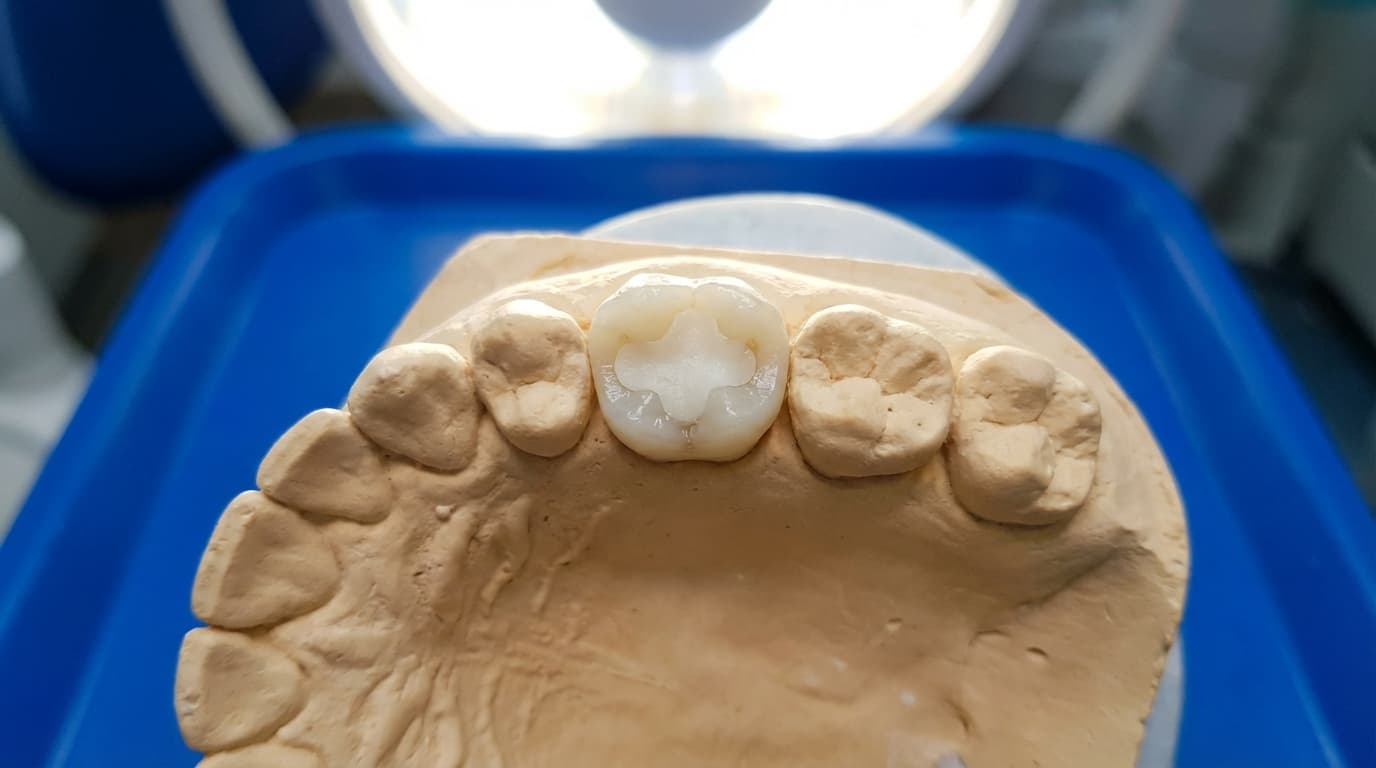
Root canal therapy has a 95% success rate and is far less intense than most people expect. If you're scheduled for one or just had one done, here's a realistic look at what recovery involves.
Expert guidance on common dental issues, oral health tips, and answers to frequently asked questions.
Root canal therapy has a 95% success rate and is far less intense than most people expect. If you're scheduled for one or just had one done, here's a realistic look at what recovery involves.
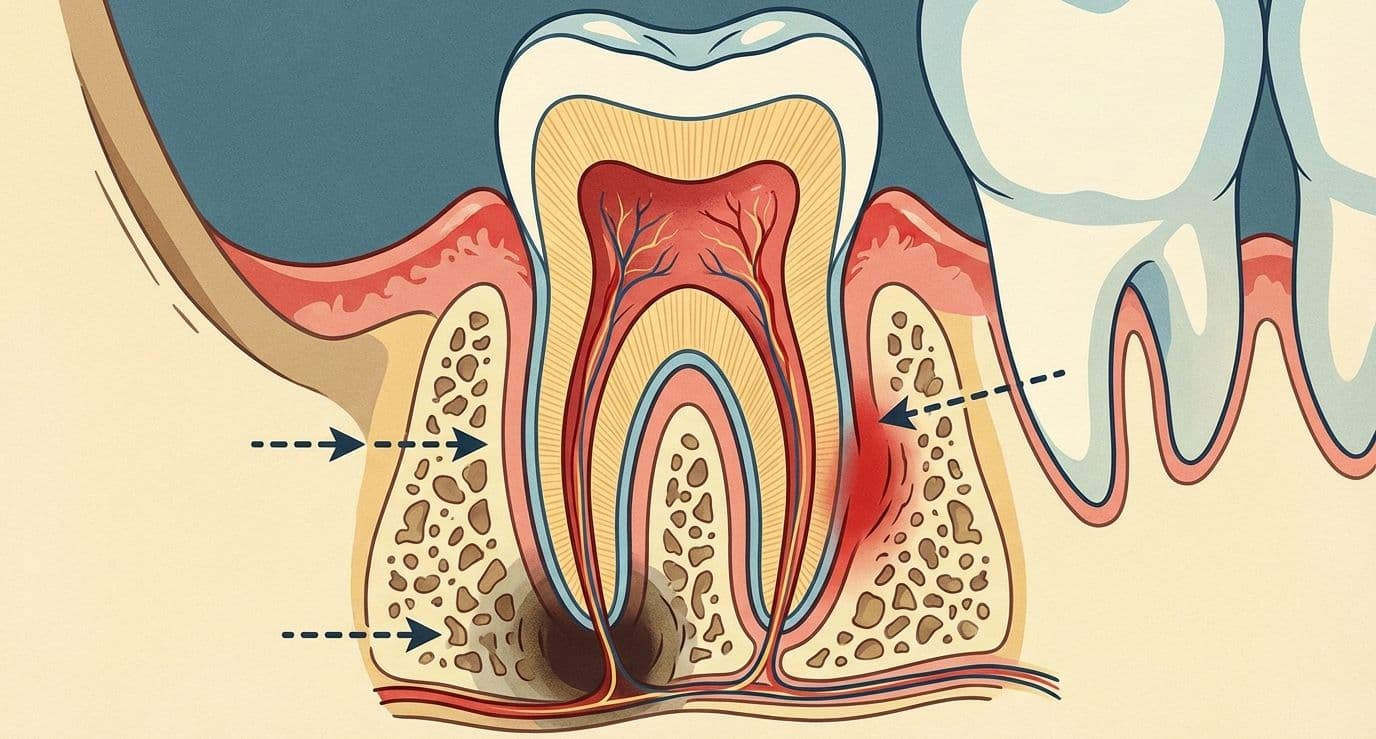
How do you know if you need a root canal? The symptoms are usually hard to ignore once they show up. Here's what to watch for and why acting quickly matters.
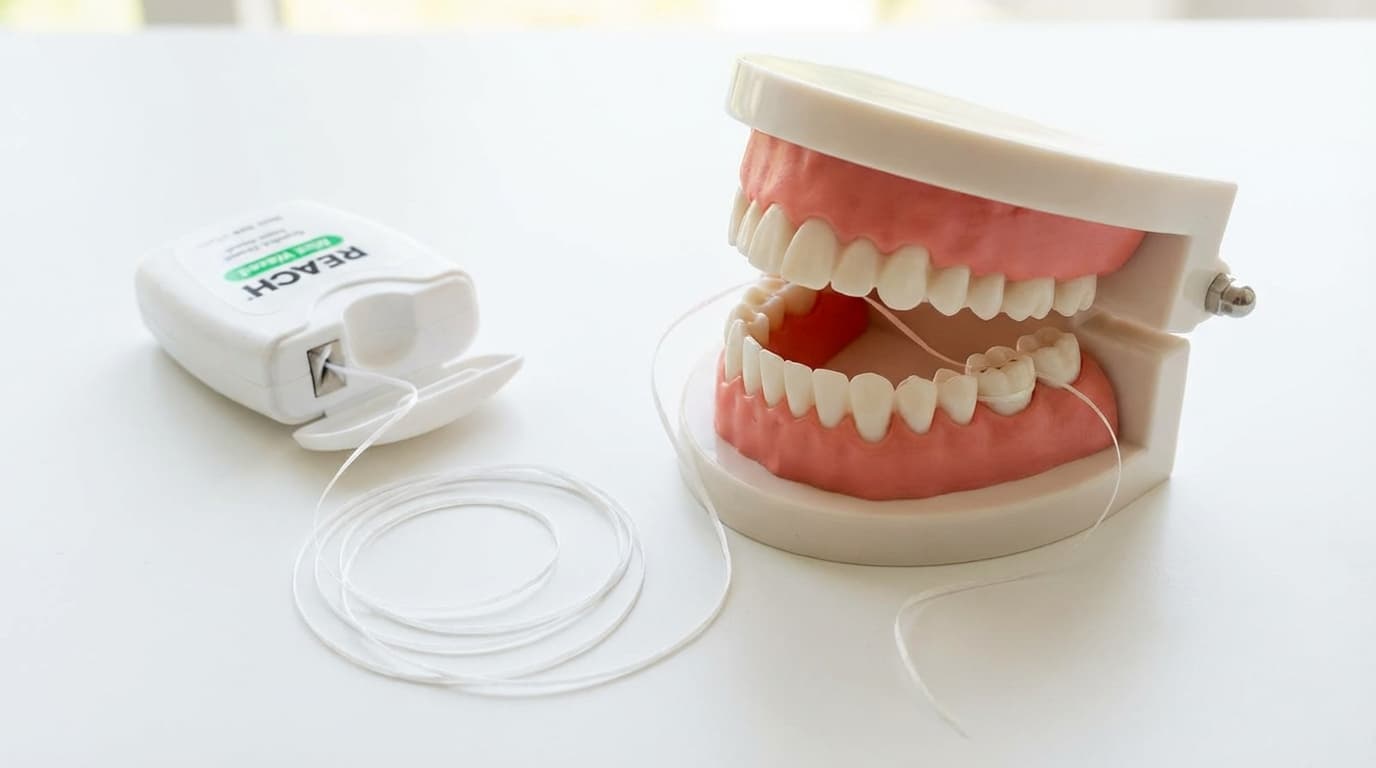
Your toothbrush can only reach three of the five surfaces of each tooth. Flossing handles the rest. It cleans the tight spaces between teeth and just below the gumline where cavities and gum disease like to start. Once a day is all it takes.
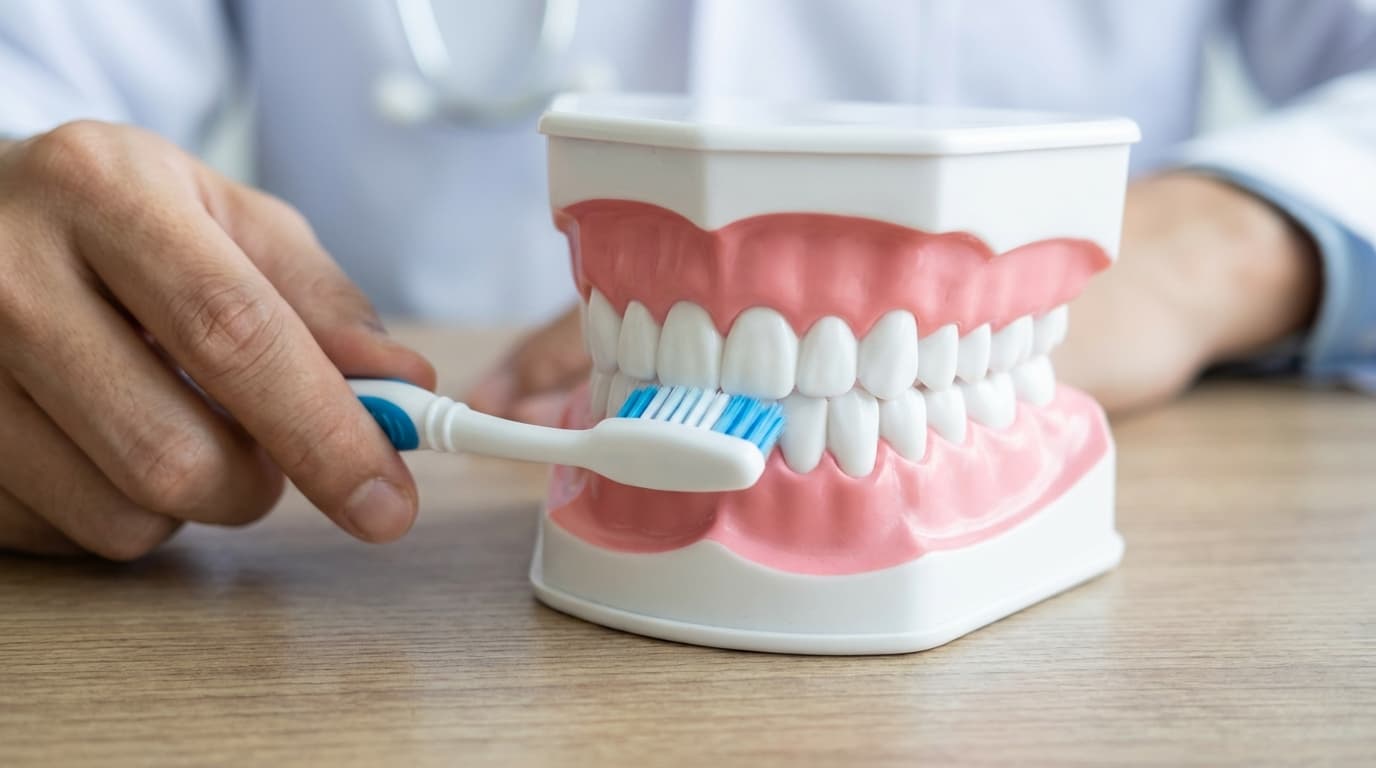
You've been brushing your teeth your whole life. But most people are doing at least one thing wrong. Two minutes, the right angle, and a soft touch go further than you'd think.

Tooth and jaw pain can range from a dull ache to something that stops you in your tracks. The causes vary widely, but the rule is simple: persistent or worsening pain always deserves professional evaluation.

A tooth infection occurs when bacteria invade the inner pulp of a tooth, often causing severe pain and swelling. Without treatment, infections can spread and lead to more serious health concerns.
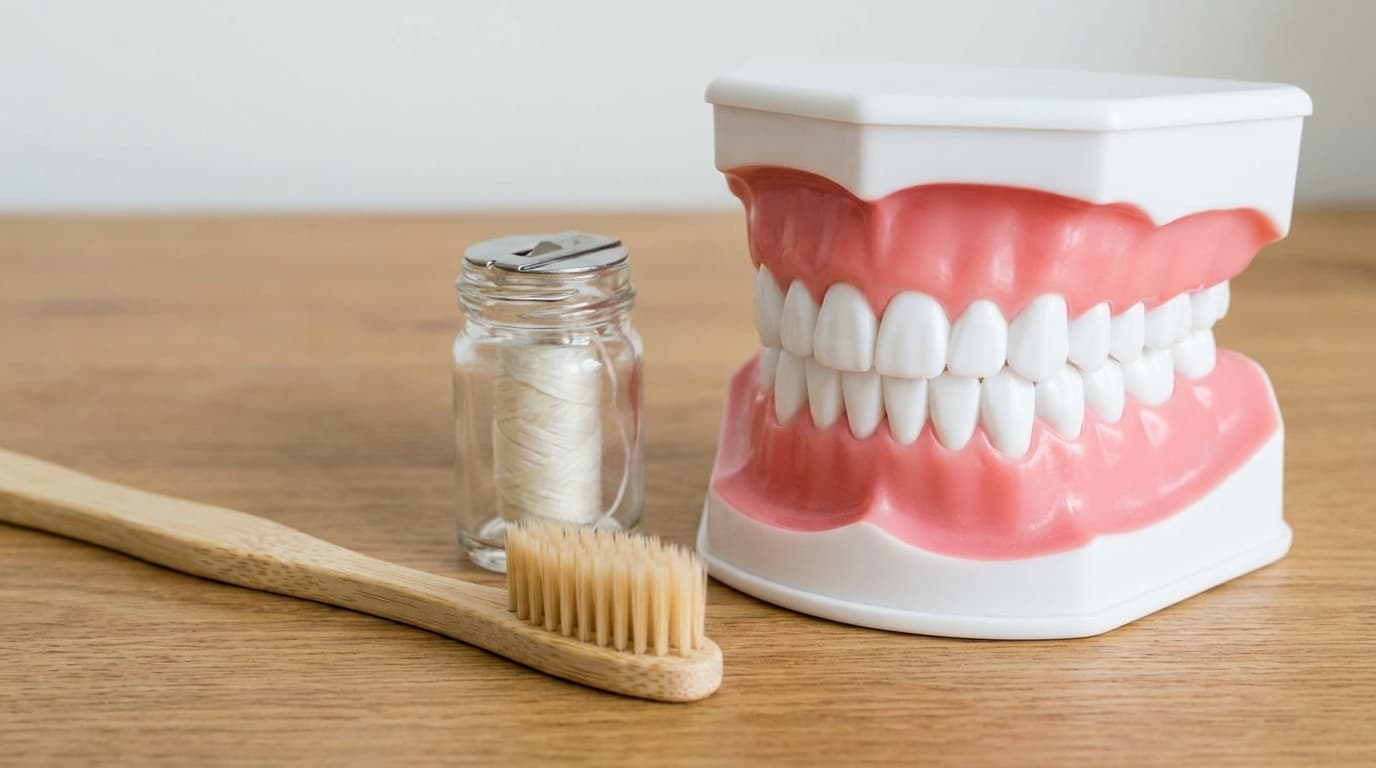
Gum disease affects nearly half of adults over 30, and many don't know they have it. It starts quietly, progresses slowly, and can cause permanent damage before you ever feel pain. Knowing the warning signs early gives you the best chance of stopping it.

Dry mouth is more than uncomfortable. When your mouth isn't producing enough saliva, it creates an environment where cavities, gum disease, and infections thrive. Here's what causes it and what you can do about it.
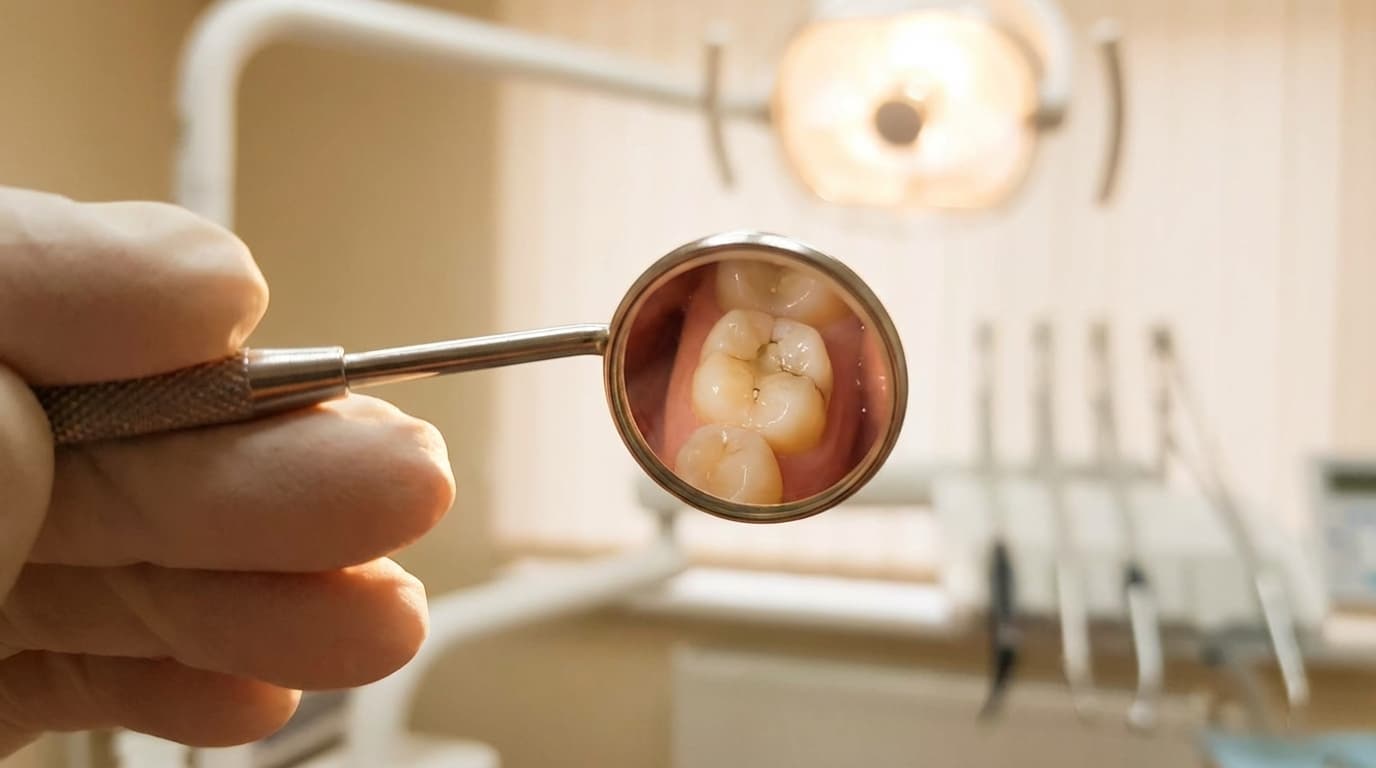
Cavities are the most common chronic dental condition in both children and adults. Understanding how they form and what to watch for is the first step toward keeping them out of your mouth entirely.

Persistent bad breath isn't just embarrassing. It can be a sign that something in your mouth needs attention. If mints and mouthwash aren't solving the problem, it's worth figuring out why.