
Root Canal Recovery: What to Expect
Root canal therapy has a 95% success rate and is far less intense than most people expect. If you're scheduled for one or just had one done, here's a realistic look at what recovery involves.
The procedure itself is painless. Dr. Lee numbs the area completely before starting, and most patients say it felt no different than getting a filling. The reputation root canals have comes from decades-old techniques that don't reflect how it's done today.
Where you will feel something is afterward, once the anesthesia wears off. That's normal. Your tooth just went through a procedure, and some tenderness is expected. For most patients, it's mild and manageable.
The First Few Days
Numbness wears off within 1 to 3 hours. During that window, avoid eating so you don't accidentally bite your cheek or tongue.
Some tenderness and mild soreness around the treated tooth is normal for 2 to 3 days. Over-the-counter ibuprofen or acetaminophen handles it for most people. If Dr. Lee prescribes an antibiotic, take the full course even if you start feeling better.
Avoid chewing on the treated side until your permanent crown is placed. The temporary filling or crown protects the tooth, but it's not built for heavy use. Stick to softer foods for the first day or two.
When to Call Us
Some discomfort is expected, but certain things warrant a call. Contact us if pain gets significantly worse after the first 48 hours instead of improving, swelling develops or increases after the procedure, your bite feels uneven or the temporary crown sits too high, you have a reaction to prescribed medication, or the temporary filling or crown comes loose or falls out.
Don't tough it out if something feels off. A quick call can prevent a small issue from turning into a bigger one.
What Comes Next
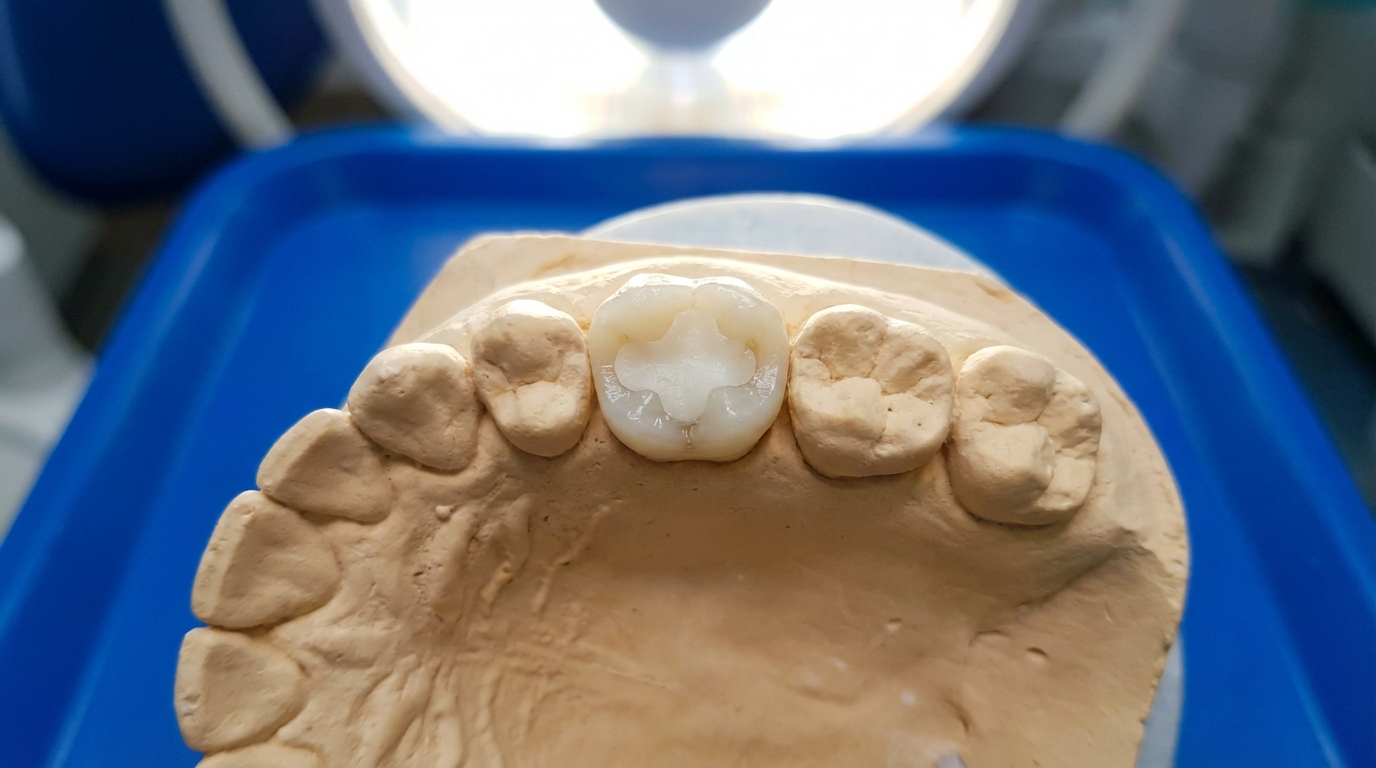
Most patients are back to their normal routine within a day or two. The next step is your permanent crown, usually scheduled 2 to 3 weeks after the root canal. That completes the restoration and protects the tooth long term.
Once the crown is in place, treat that tooth like any other. Brush, floss, and keep up with regular checkups. A properly restored tooth can last for years without any issues.
Have Questions? We're Here to Help
Our team is ready to answer your questions and help you achieve optimal dental health.