
Root Canal Therapy
A root canal removes infected tissue from inside your tooth. Despite its reputation, the procedure is about as comfortable as getting a filling with modern techniques. Dr. Lee performs root canal therapy to save teeth that would otherwise need to be pulled, eliminating infection and stopping pain while keeping your natural tooth intact.
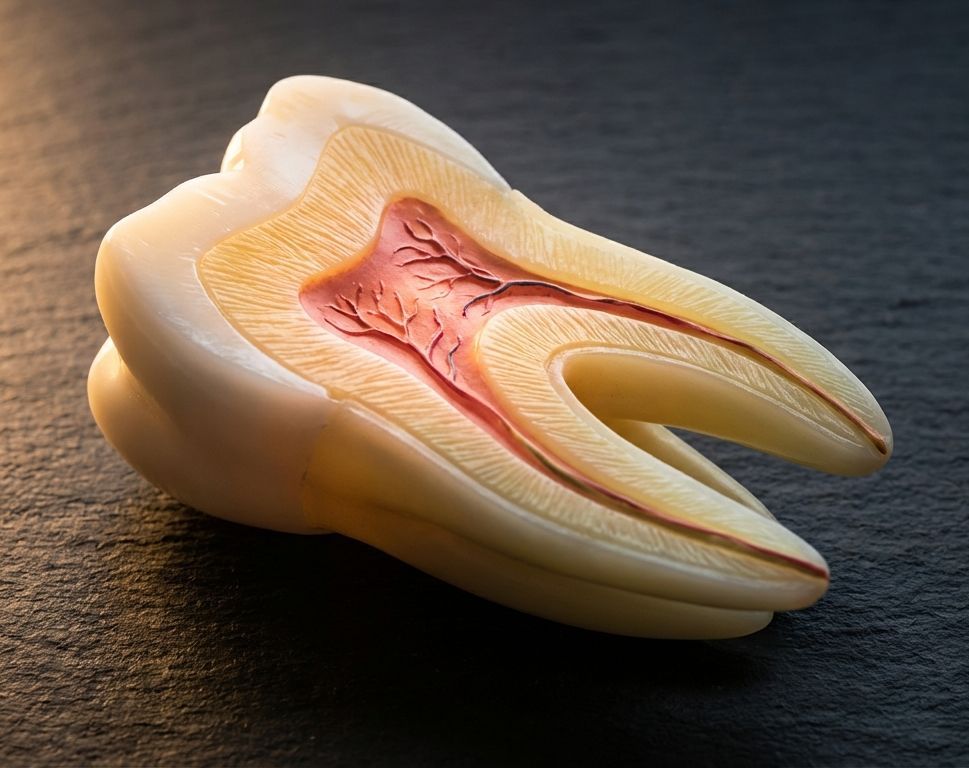
When a Root Canal Is Needed
The soft tissue inside your tooth, called the pulp, contains nerves and blood vessels. When that tissue gets infected or severely inflamed from deep decay, a crack, repeated dental work, or trauma, a root canal becomes necessary.
Signs you may need one include a toothache that won't go away, prolonged sensitivity to hot or cold, pain when chewing or biting, darkening of the tooth, swelling or tenderness in the nearby gums, or a small bump on the gum that may drain. If you're experiencing any of these, call us sooner rather than later. The longer an infection sits, the more complicated treatment becomes.
What Happens During the Procedure
Dr. Lee numbs the area completely before starting. He makes a small opening in the top of the tooth to access the infected pulp, removes it with specialized instruments, then cleans, disinfects, and shapes the inside of the tooth.
Once the canals are clean, they're filled with a biocompatible material and sealed. In most cases you'll need a dental crown placed over the treated tooth at a follow-up visit to protect it and restore full function.
The procedure typically takes 60 to 90 minutes. Most patients go back to normal activities the same day. Any soreness afterward is usually mild and handled with over-the-counter pain medication.
Frequently Asked Questions
Common questions about root canal therapy. Can’t find what you’re looking for? Give us a call.
The procedure itself is painless with modern anesthesia. Most patients say the infection beforehand was far worse than anything they felt during or after treatment. If you're anxious, we offer nitrous oxide to help you relax.
Most patients feel back to normal within a day or two. Some mild tenderness around the treated tooth is common for the first few days. We provide specific aftercare instructions before you leave.
Explore More
Related Services
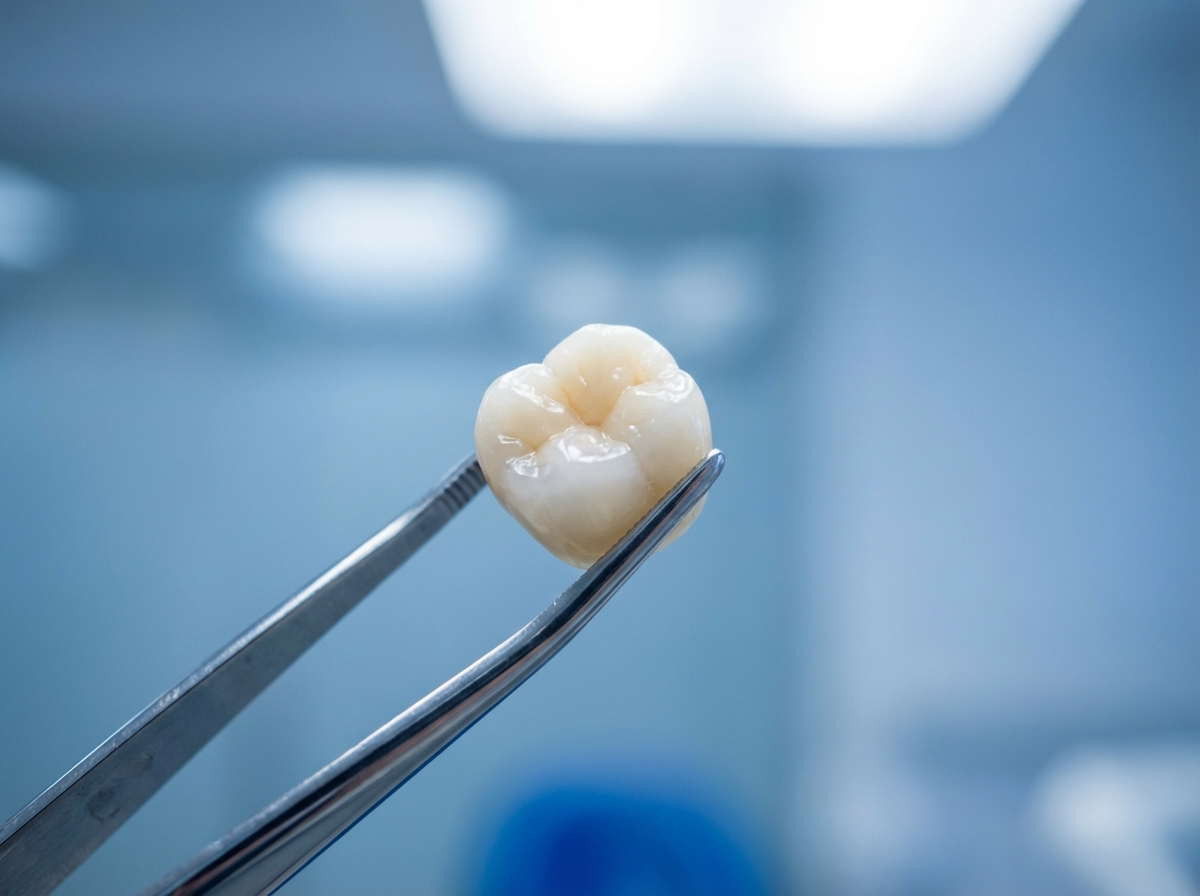
Crowns
A dental crown is a custom-made cap that covers a damaged or weakened tooth, restoring its shape, strength, and appearance. Dr. Lee uses tooth-colored porcelain and ceramic crowns that match your natural teeth so the result blends right in.
Learn More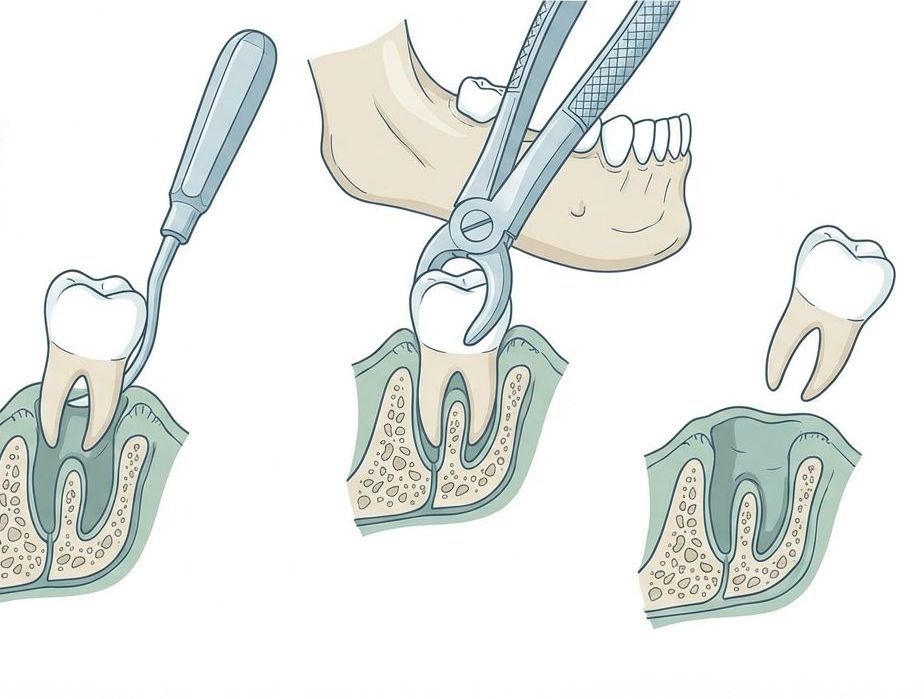
Tooth Extractions
Extraction is never the first option. We always look for ways to save the tooth first. But when a tooth is too far gone from decay, infection, or trauma, removing it is sometimes the best path forward. Dr. Lee performs both simple and surgical extractions with a focus on keeping you comfortable and informed.
Learn More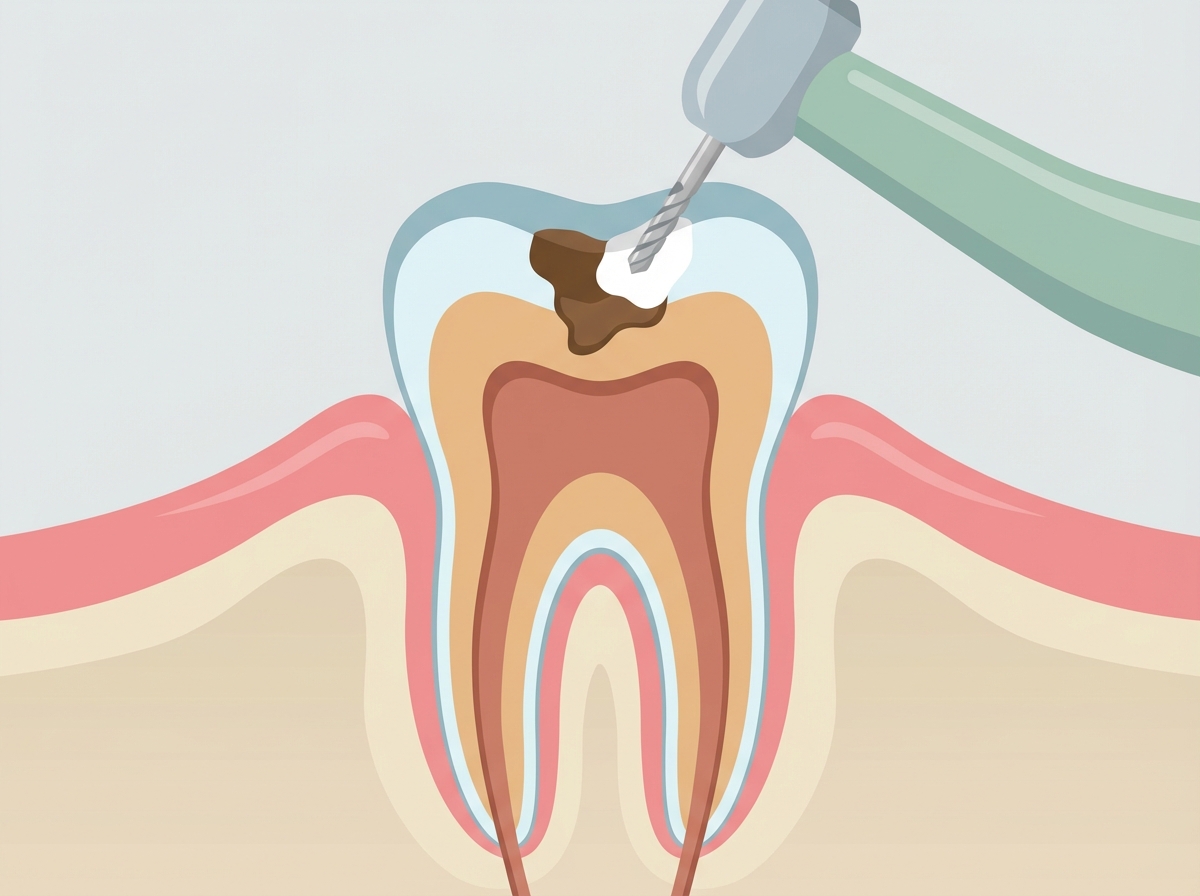
Cavity Treatment
Cavities are one of the most common dental issues we treat and one of the most preventable. When decay breaks through your enamel, it creates a hole that only grows if left alone. Catching it early means a quick, simple fix. We use tooth-colored composite fillings that blend with your natural teeth so nobody can tell the difference.
Learn MoreReady to Get Started?
Schedule a consultation to learn more about root canal therapy. Our team will create a personalized treatment plan tailored to your needs.