
Bridges
A dental bridge fills the gap left by one or more missing teeth. It anchors a replacement tooth to the natural teeth or implants on either side, restoring your ability to eat, speak, and smile without the complications that come from leaving a gap open.
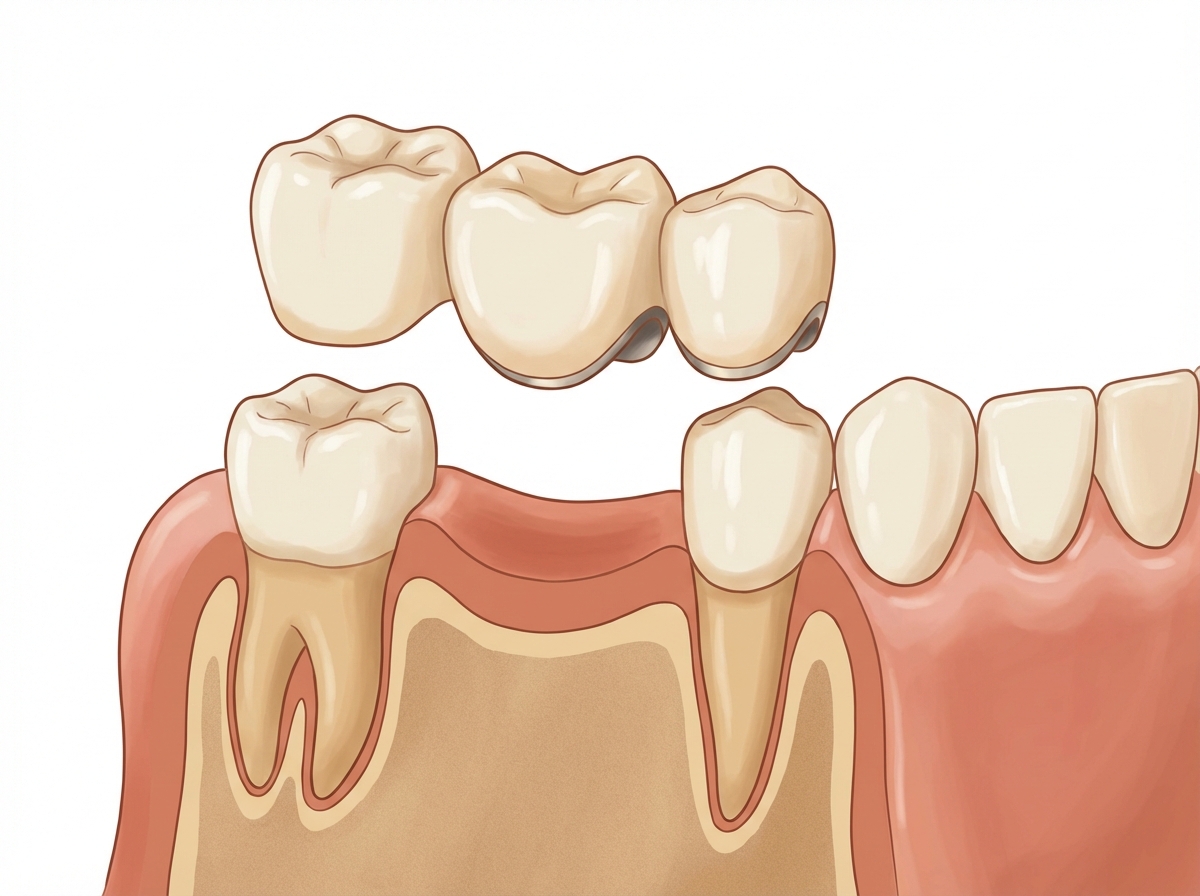
How a Bridge Works
A traditional bridge has three parts: two crowns that fit over the teeth on either side of the gap and one or more artificial teeth (called pontics) that fill the space between them. The supporting teeth are prepared and crowned, and the pontic sits where your missing tooth was.
We also offer implant-supported bridges for patients missing multiple adjacent teeth. Instead of relying on natural teeth for support, the bridge anchors to dental implants. That means no healthy teeth need to be altered, and the result is more stable long-term.
Dr. Lee evaluates your situation and recommends the bridge type that gives you the best combination of durability, appearance, and preservation of your existing teeth.
What to Expect
Like crowns, bridges typically take two visits. At the first appointment, the supporting teeth are prepared, impressions are taken, and a temporary bridge is placed. At the second visit, the custom bridge is fitted, adjusted, and cemented permanently.
A well-made bridge can last 10 to 15 years or more. Keeping the supporting teeth and gums healthy is key. That means brushing normally and flossing under the bridge daily with a floss threader or water flosser. We show you exactly how at your appointment.
Frequently Asked Questions
Common questions about bridges. Can’t find what you’re looking for? Give us a call.
Both are solid options. A bridge is faster and usually costs less upfront. An implant is more durable long-term and doesn't require altering the teeth on either side. Dr. Lee helps you weigh the pros and cons based on your specific situation.
Use a floss threader, water flosser, or interdental brush to clean under the pontic daily. This prevents plaque buildup and keeps the supporting teeth and gums healthy. We walk you through the best technique at your appointment.
Yes. Bridges can replace one, two, or even three adjacent missing teeth depending on the strength of the supporting teeth or implants. Dr. Lee assesses whether a bridge is a good fit for your situation during your consultation.
Explore More
Related Services
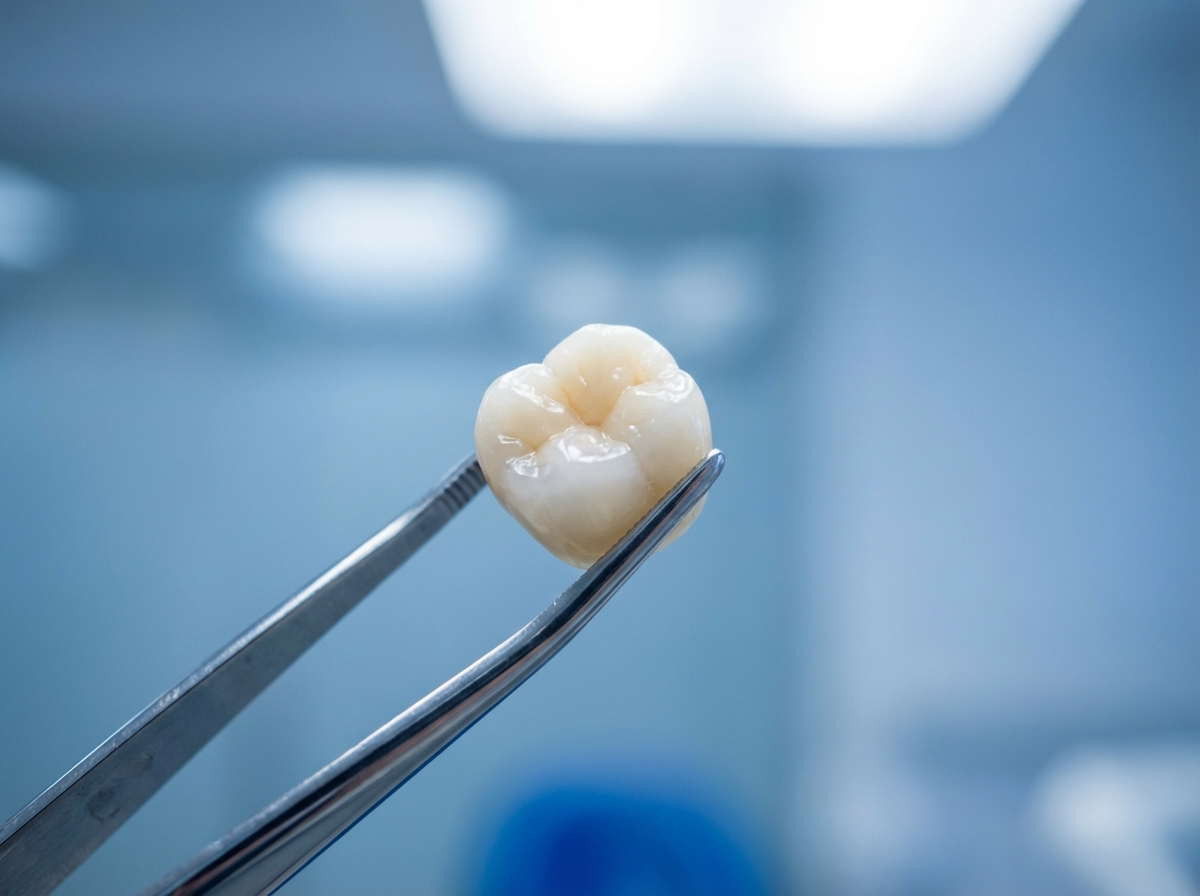
Crowns
A dental crown is a custom-made cap that covers a damaged or weakened tooth, restoring its shape, strength, and appearance. Dr. Lee uses tooth-colored porcelain and ceramic crowns that match your natural teeth so the result blends right in.
Learn More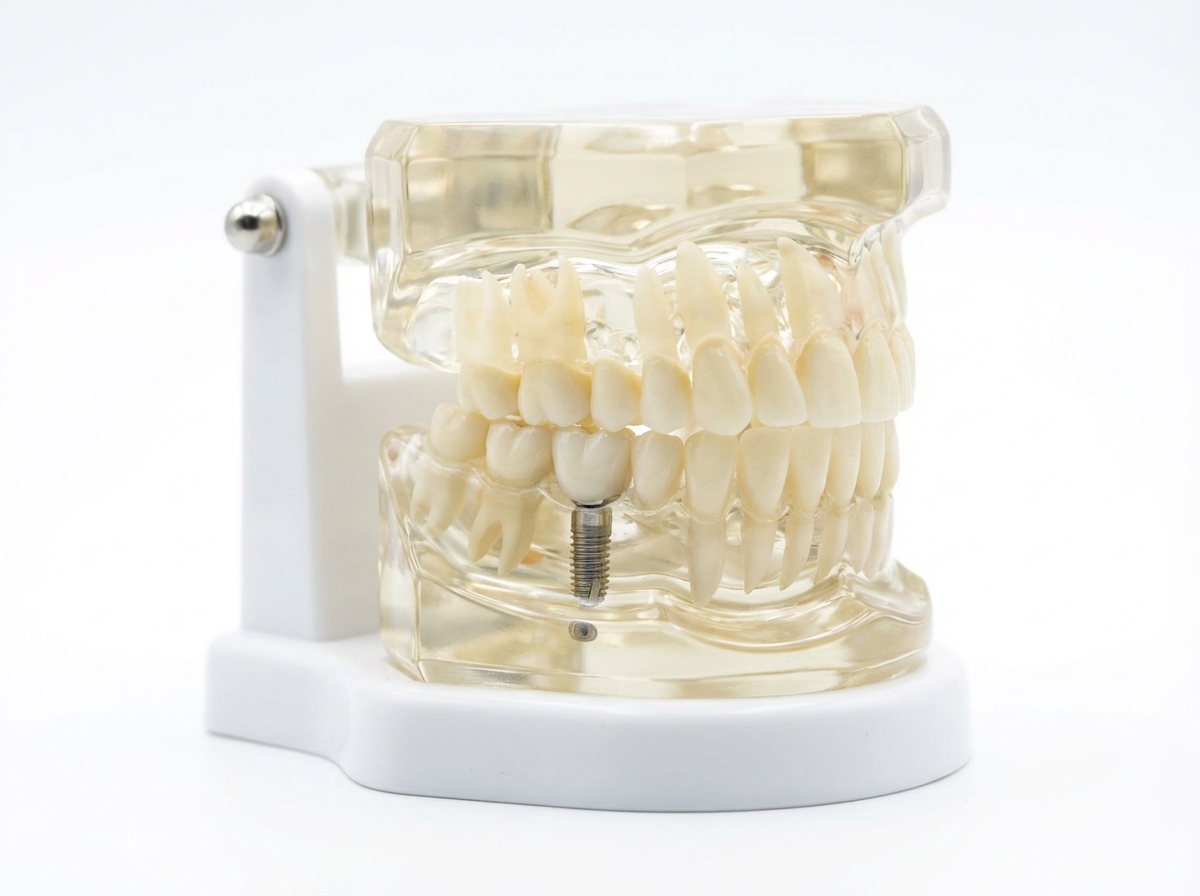
Dental Implants
Dental implants are the gold standard for replacing missing teeth. Unlike dentures or bridges, an implant replaces the entire tooth from root to crown. A titanium post fuses with your jawbone, creating a foundation that's as strong as what nature gave you. Dr. Lee provides implant services from consultation through final restoration.
Learn More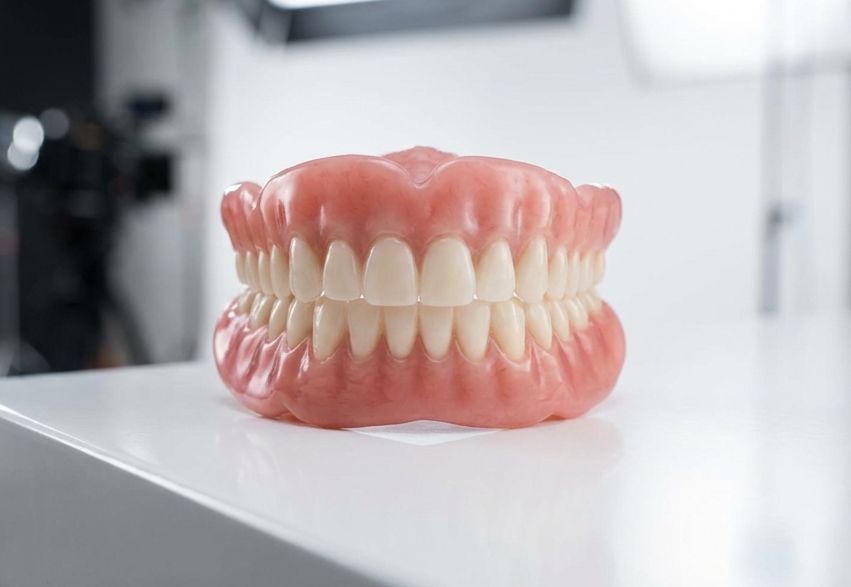
Dentures
Modern dentures look and feel nothing like the bulky appliances people picture. They're custom-crafted to match your face, your mouth, and the natural shape and shade of real teeth. Whether you're missing a few teeth or a full arch, we'll find the right option for your situation and your lifestyle.
Learn MoreReady to Get Started?
Schedule a consultation to learn more about bridges. Our team will create a personalized treatment plan tailored to your needs.