
Cavities and Tooth Decay: What You Need to Know
Cavities are the most common chronic dental condition in both children and adults. Understanding how they form and what to watch for is the first step toward keeping them out of your mouth entirely.
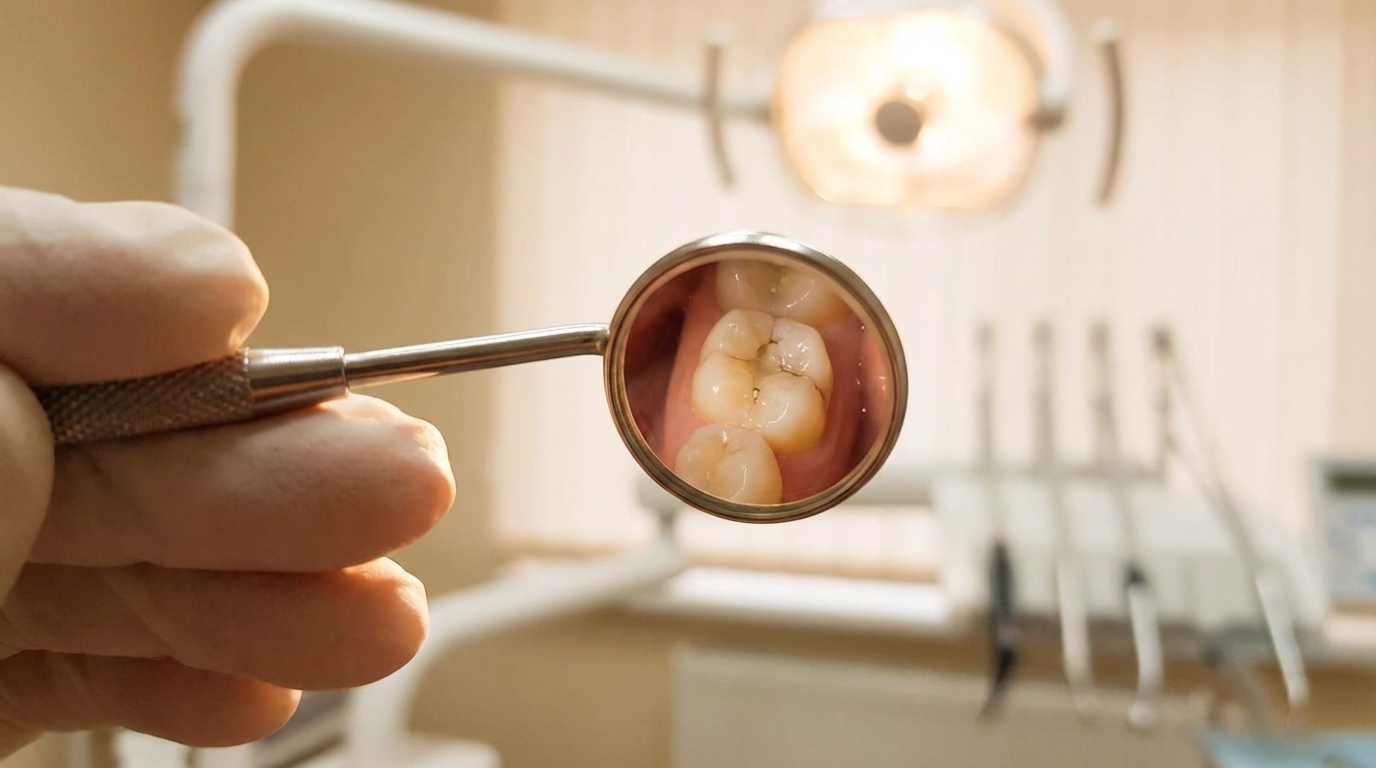
A cavity is a hole in your tooth caused by decay. It starts when plaque, a sticky film of bacteria, builds up on your teeth after eating. The bacteria feed on sugars and produce acids that slowly dissolve your enamel. Over time, that acid damage creates a weak spot that breaks through the surface and becomes a cavity.
The process is gradual. You won't feel anything at first. By the time a cavity causes pain, it's usually deeper than it needed to be. That's why regular checkups matter. We can catch decay in its earliest stages, when treatment is quick and simple.
What Increases Your Risk
Some people are more cavity-prone than others. Common risk factors include frequent snacking or sipping on sugary or acidic drinks throughout the day, inconsistent brushing and flossing, dry mouth from medications or mouth breathing, receding gums that expose softer root surfaces, not getting enough fluoride, older fillings or restorations that have started to break down, and acid reflux or eating disorders that expose teeth to stomach acid.
Kids and older adults tend to be especially vulnerable. Children are still learning proper brushing habits and eat more sugar. Older adults often deal with dry mouth from medications and gum recession from years of wear. But no age group is immune.
How to Tell if You Have a Cavity
In the early stages, you may not notice anything at all. As the decay gets deeper, symptoms start to show up: sensitivity to sweet, hot, or cold foods and drinks. A mild ache that gets worse over time. Visible holes, pits, or dark spots on the tooth surface. Pain when you bite down. Or staining that doesn't look like normal discoloration.
If you're experiencing any of these, schedule an appointment. The sooner we catch it, the simpler the fix. A small cavity is a quick filling. A cavity that's been ignored can turn into a root canal, a crown, or even a tooth extraction.
Prevention Is the Best Treatment
The most effective cavity prevention is also the simplest. Brush twice a day with fluoride toothpaste. Floss once a day. Come in every six months for a cleaning and checkup. Limit sugary and acidic foods and drinks, or at least rinse with water afterward.
For kids, dental sealants are one of the best defenses available. They coat the chewing surfaces of back molars where cavities are most likely to form. Ask Dr. Lee about sealants at your child's next visit.
Have Questions? We're Here to Help
Our team is ready to answer your questions and help you achieve optimal dental health.