
Bad Breath (Halitosis) Treatment
Persistent bad breath isn't just embarrassing. It can be a sign that something in your mouth needs attention. If mints and mouthwash aren't solving the problem, it's worth figuring out why.
Everyone deals with bad breath from time to time. Coffee, garlic, morning breath after a long sleep. That kind of thing is temporary and clears up with brushing or a glass of water.
When bad breath sticks around despite good oral hygiene, it's called halitosis, and it usually points to something that needs treatment. The good news is that most causes are treatable once you identify the source.
Common Causes
The most common cause is bacteria. Your mouth is home to hundreds of bacterial species, and when they break down food particles and dead cells, they produce sulfur compounds that smell. These bacteria thrive in areas that are hard to reach: between teeth, along the gumline, and on the back of the tongue.
Other common causes include gum disease, which is one of the most frequent culprits. Dry mouth from medications, mouth breathing, or dehydration. Cavities or poorly fitting restorations that trap bacteria. Tobacco use in any form. Sinus infections or postnasal drip. And certain medical conditions like acid reflux, diabetes, or liver and kidney issues.
If you've been brushing and flossing consistently and the problem won't go away, it's time to come in. Persistent bad breath is often the first noticeable sign of gum disease. Catching it early prevents more serious damage.
What You Can Do at Home
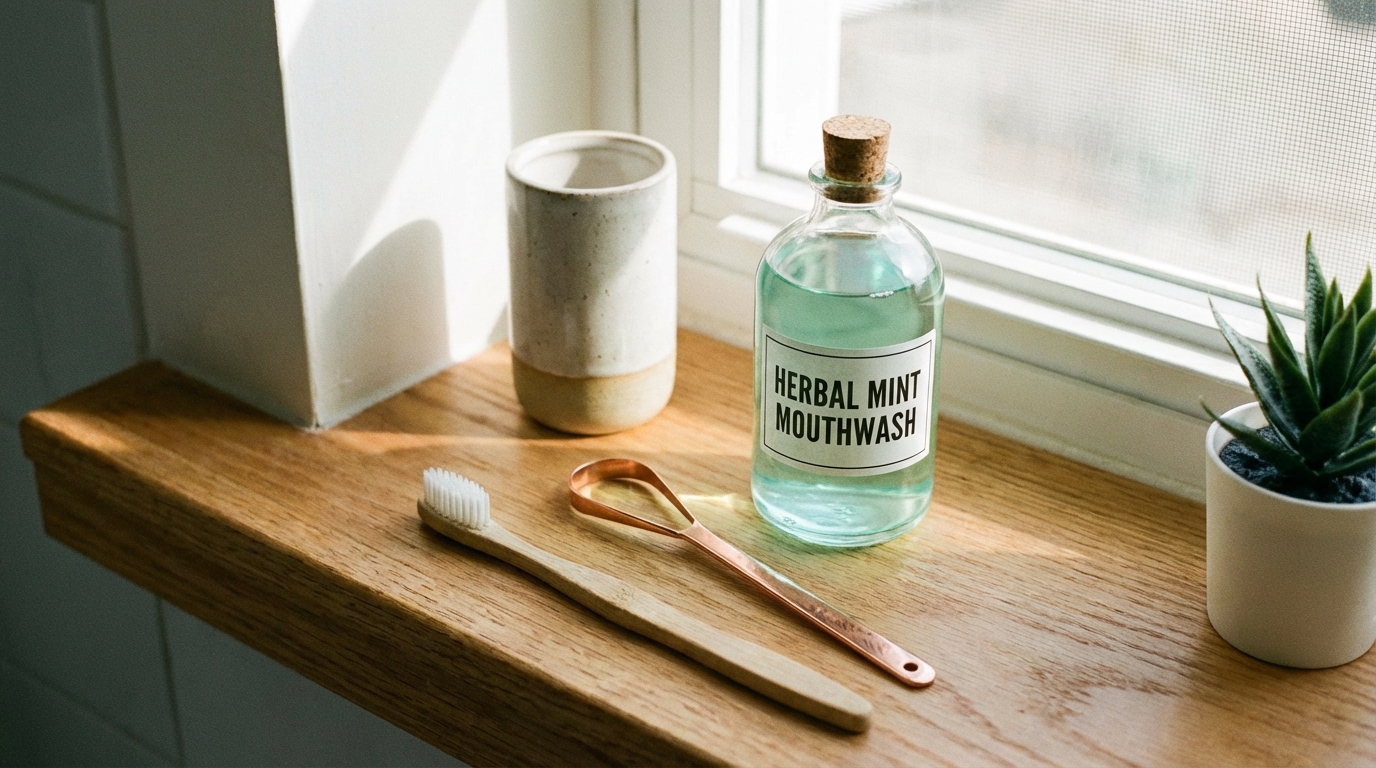
Start with the basics. Brush twice a day for two full minutes, floss once a day, and don't skip your tongue. The back of the tongue is where the worst odor-causing bacteria tend to collect. A tongue scraper or even a gentle brush across the surface makes a real difference.
Stay hydrated throughout the day. Water washes away food particles and keeps saliva flowing. Saliva is your mouth's natural defense against bacterial buildup.
If you use mouthwash, choose an alcohol-free formula. Alcohol-based rinses dry your mouth out and can actually make bad breath worse over time. Look for one that's antibacterial rather than just masking the smell.
When to See Us
If home care isn't solving the problem, schedule an appointment. Dr. Lee will evaluate your oral health, check for gum disease, cavities, or other issues that could be the source, and recommend a treatment plan. Sometimes a professional cleaning is all it takes. Other times, treating an underlying condition resolves the problem entirely.
You don't have to live with it or keep masking it. There's almost always a fixable reason behind persistent bad breath.
If you're dealing with persistent bad breath, contact Aspire Family Dentistry at (207) 784-5769 to schedule an evaluation.
Have Questions? We're Here to Help
Our team is ready to answer your questions and help you achieve optimal dental health.