
Gum Disease Treatment
Gum disease is a serious infection of the tissues that support your teeth. Left untreated, it leads to gum recession, bone loss, and eventually tooth loss. It's also been linked to heart disease, diabetes, and other systemic health issues. Dr. Lee and our team offer treatment tailored to the severity of your condition, from early-stage inflammation to advanced periodontitis.
Warning Signs
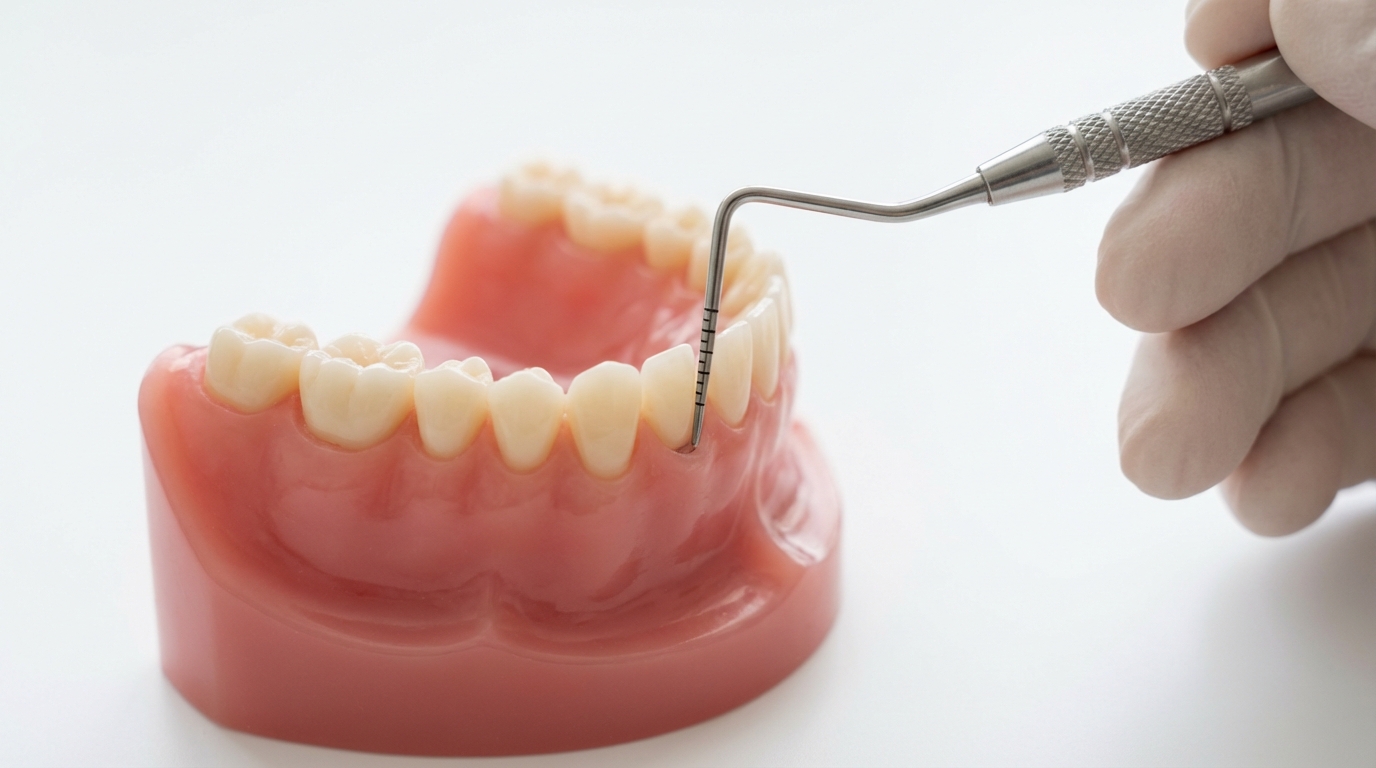
Gum disease often progresses without obvious pain, which is why many people don't realize they have it until real damage has been done. Watch for gums that bleed during brushing or flossing, redness, swelling, or tenderness along the gumline, gums that have started pulling away from your teeth, persistent bad breath that doesn't improve with brushing, loose or shifting teeth, or changes in how your bite feels.
If any of that sounds familiar, don't wait. Early treatment is the single biggest factor in saving your teeth and gums.
How We Treat It
For mild to moderate gum disease, treatment usually starts with scaling and root planing. That's a deep cleaning done under local anesthesia. Scaling removes plaque and tartar from below the gumline. Root planing smooths the root surfaces so your gums can reattach to the tooth.
For more advanced cases, Dr. Lee may recommend antibiotic therapy, more frequent maintenance cleanings, or referral to a periodontist for surgical treatment.
Regardless of severity, ongoing maintenance is critical. Most gum disease patients benefit from cleanings every 3 to 4 months instead of the standard 6-month schedule. We monitor your gum health closely at every visit and adjust the plan as things improve.
The Connection to Your Overall Health
Research has established clear links between gum disease and heart disease, stroke, diabetes complications, respiratory issues, and pregnancy complications. Treating gum disease is not just about your mouth. It's about protecting your whole body.
If it's been a while since your last cleaning or you've noticed any of the warning signs above, schedule an appointment. The sooner we catch it, the more options you have.
Frequently Asked Questions
Common questions about gum disease treatment. Can’t find what you’re looking for? Give us a call.
Early-stage gum disease (gingivitis) is fully reversible with professional treatment and better home care. Once it progresses to periodontitis, the bone and tissue damage is permanent, but it can be stabilized and managed to prevent further loss.
We use local anesthesia during scaling and root planing so you won't feel pain during the procedure. Some mild soreness for a day or two afterward is normal. We also offer nitrous oxide for patients who want extra comfort.
Gingivitis is the earliest stage of gum disease. Your gums are inflamed but no permanent damage has occurred yet. If gingivitis isn't treated, it can progress into periodontitis, where the bone and tissue that hold your teeth in place start breaking down. That's when it becomes gum disease.
Explore More
Related Services
Gingivitis Treatment
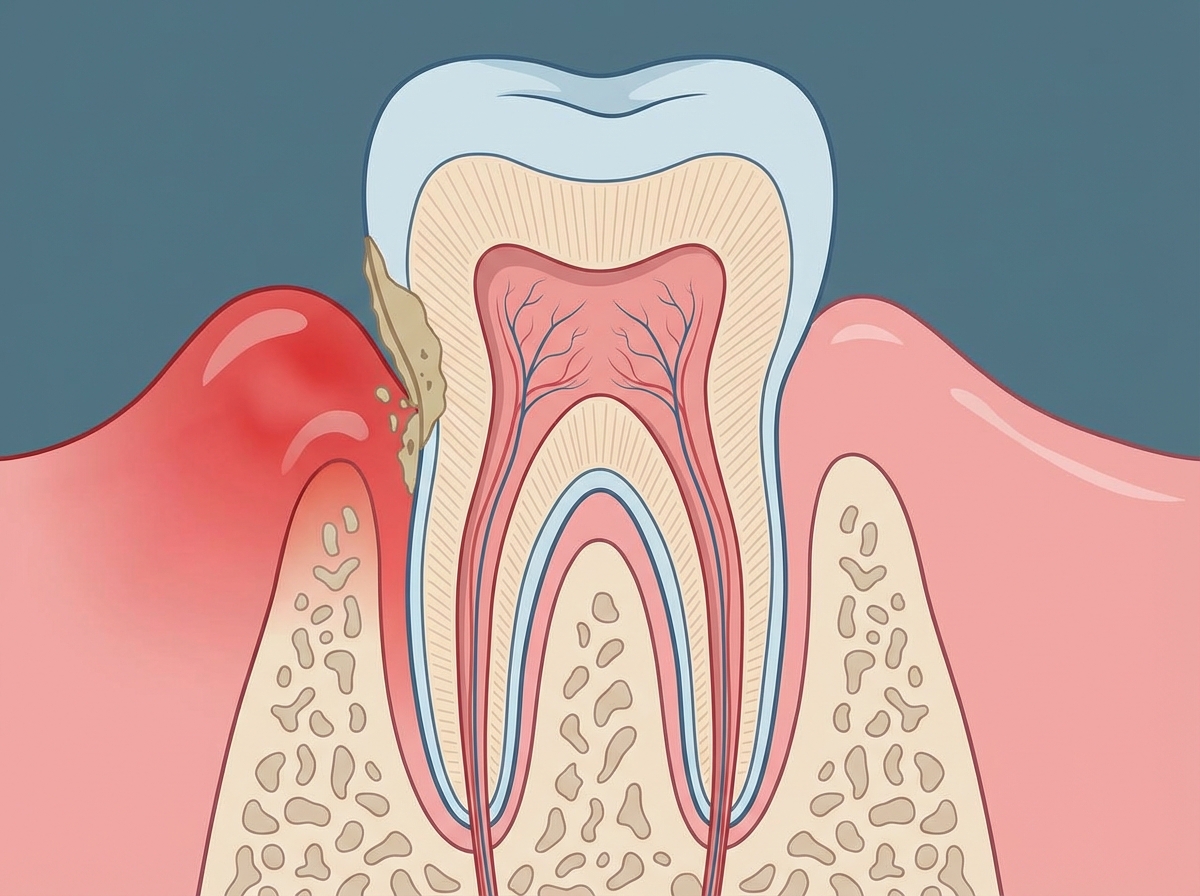
Gingivitis is the earliest stage of gum disease and the only stage that's fully reversible. If your gums bleed when you brush or floss, look red or swollen, or feel tender, you're likely dealing with it. Nearly half of adults over 30 have some form of gum disease, so you're far from alone. The good news is that catching it now means a simple fix.
Learn More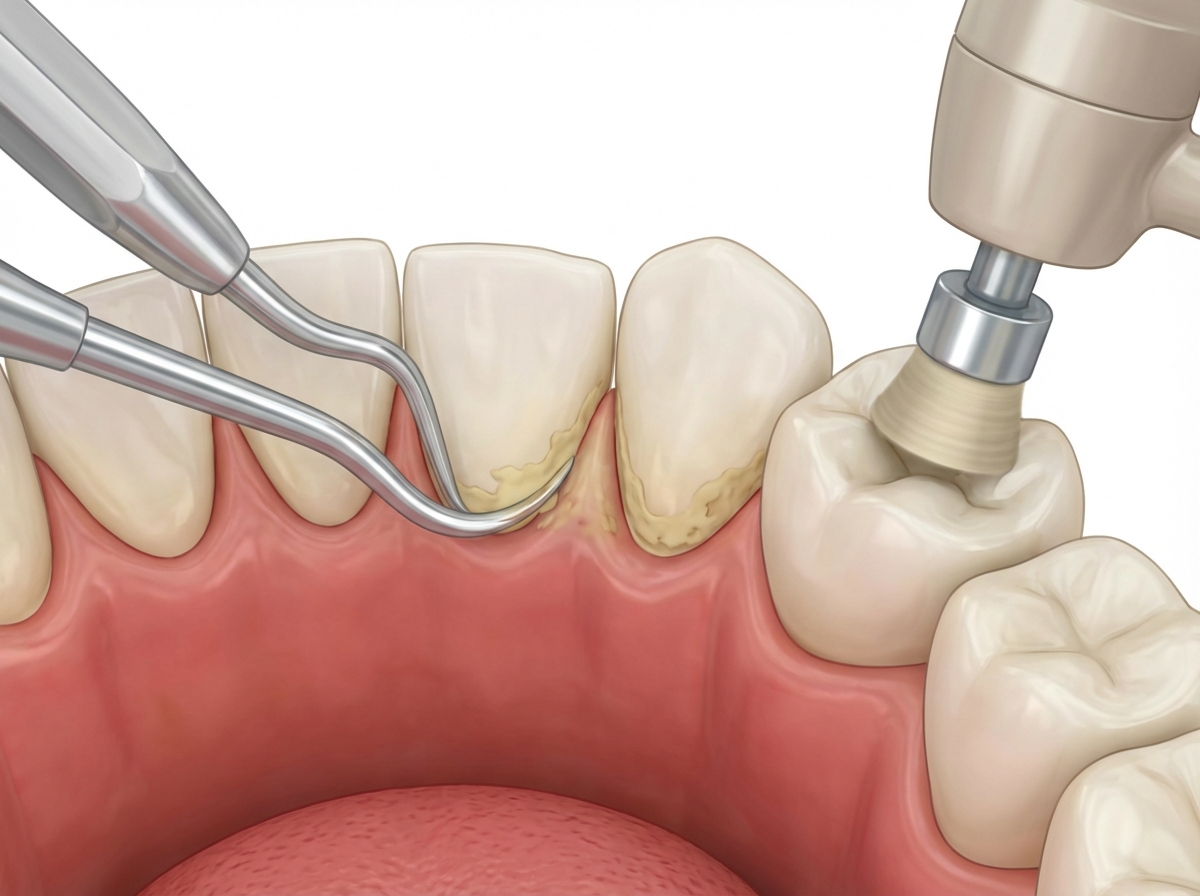
Cleanings
Even great brushing and flossing can't reach everything. Professional cleanings remove the plaque and tartar that build up in hard-to-reach areas, especially along the gumline and between teeth. It's one of the simplest and most effective ways to prevent cavities and gum disease.
Learn More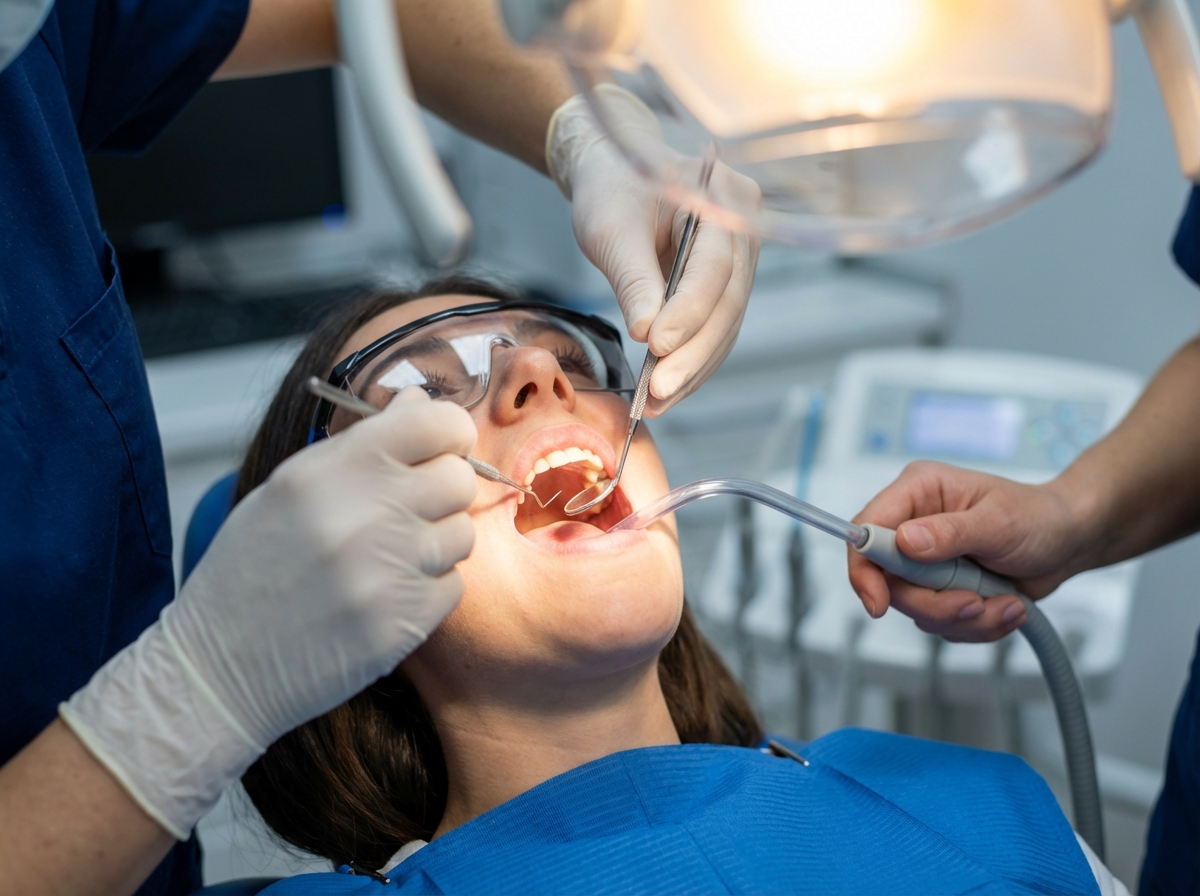
Checkups
Regular checkups are the foundation of everything we do. They let Dr. Lee catch problems early, often before you notice any symptoms. That means simpler treatments, less discomfort, and lower costs over time. We recommend every six months for most patients.
Learn MoreReady to Get Started?
Schedule a consultation to learn more about gum disease treatment. Our team will create a personalized treatment plan tailored to your needs.