
Gingivitis Treatment
Gingivitis is the earliest stage of gum disease and the only stage that's fully reversible. If your gums bleed when you brush or floss, look red or swollen, or feel tender, you're likely dealing with it. Nearly half of adults over 30 have some form of gum disease, so you're far from alone. The good news is that catching it now means a simple fix.
What Causes It
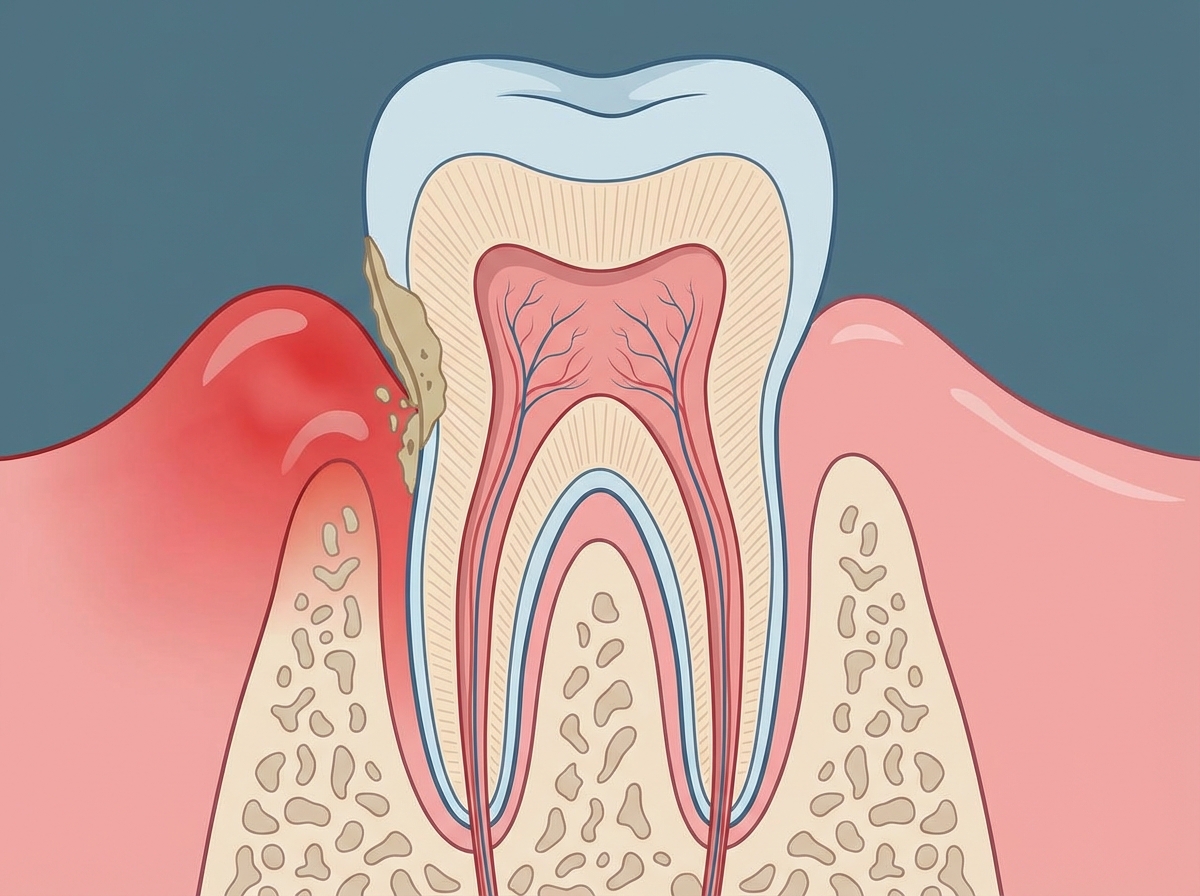
Plaque is the main culprit. It's the sticky film of bacteria that builds up on your teeth throughout the day. When plaque isn't removed through regular brushing and flossing, it irritates the gum tissue and triggers inflammation. Over time, plaque hardens into tartar, which only a dental professional can remove.
Other risk factors include smoking, hormonal changes like pregnancy, diabetes, certain medications that reduce saliva flow, family history of gum problems, and stress.
How We Treat It
For most patients, gingivitis responds well to a professional cleaning combined with better home care habits. Our hygienists thoroughly remove plaque and tartar from above and below the gumline, paying close attention to the areas where inflammation is present.
If your gingivitis is more progressed, Dr. Lee may recommend scaling and root planing, which is a deeper cleaning that smooths the root surfaces so your gums can reattach properly. This is done with local anesthesia to keep you comfortable.
We'll also work with you on a home care plan. Sometimes a small change in brushing technique or adding flossing to your routine makes a bigger difference than people expect. Our hygienists show you exactly what to adjust and why.
Frequently Asked Questions
Common questions about gingivitis treatment. Can’t find what you’re looking for? Give us a call.
No. Occasional minor bleeding after a long gap in flossing can happen, but consistent bleeding is a sign of gum inflammation and should be evaluated. Don't ignore it.
Yes. It's the only stage of gum disease that's fully reversible. With professional treatment and consistent home care, your gums can return to a healthy state. The key is acting before it progresses to periodontitis, which causes permanent damage.
We typically recommend visits every 3 to 4 months until your gum health stabilizes, then transition back to the standard 6-month schedule. Dr. Lee tailors the frequency to your specific situation.
Explore More
Related Services
Gum Disease Treatment
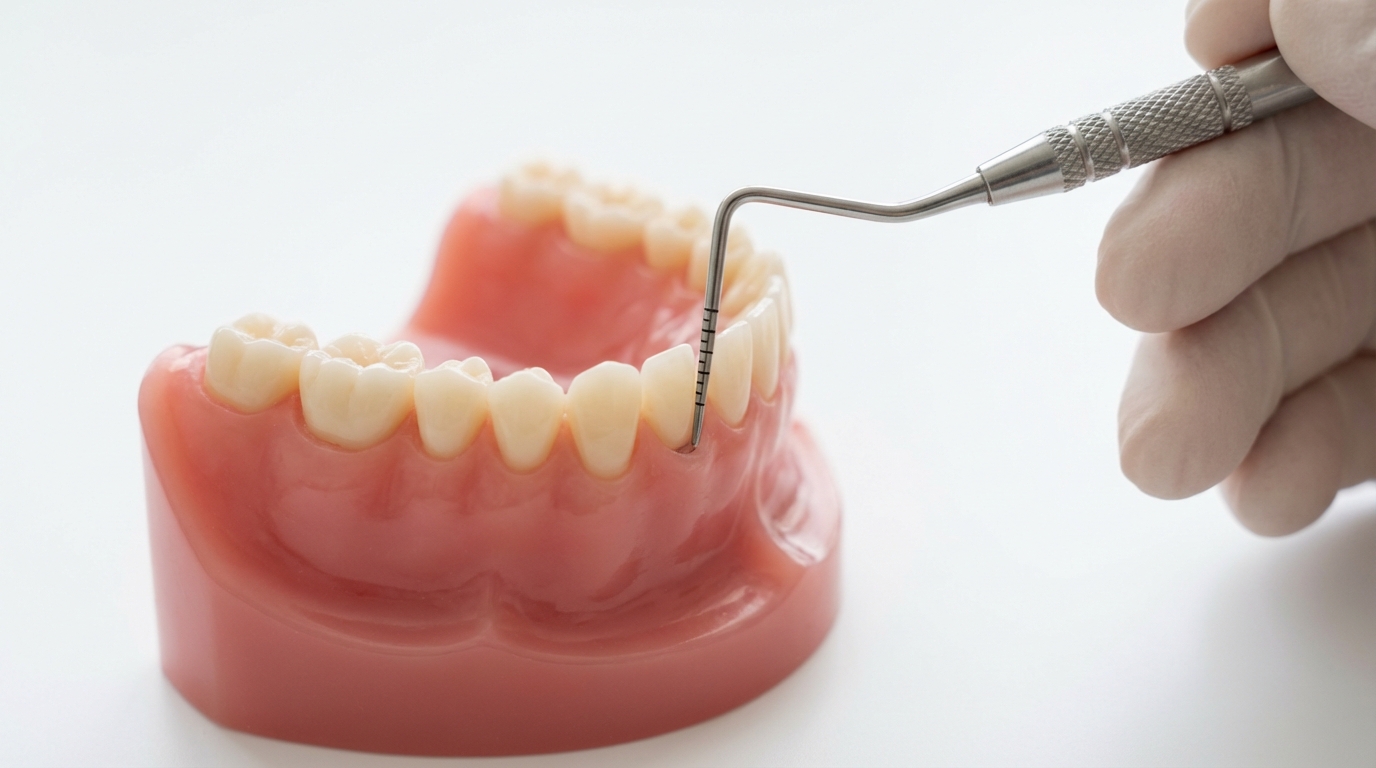
Gum disease is a serious infection of the tissues that support your teeth. Left untreated, it leads to gum recession, bone loss, and eventually tooth loss. It's also been linked to heart disease, diabetes, and other systemic health issues. Dr. Lee and our team offer treatment tailored to the severity of your condition, from early-stage inflammation to advanced periodontitis.
Learn More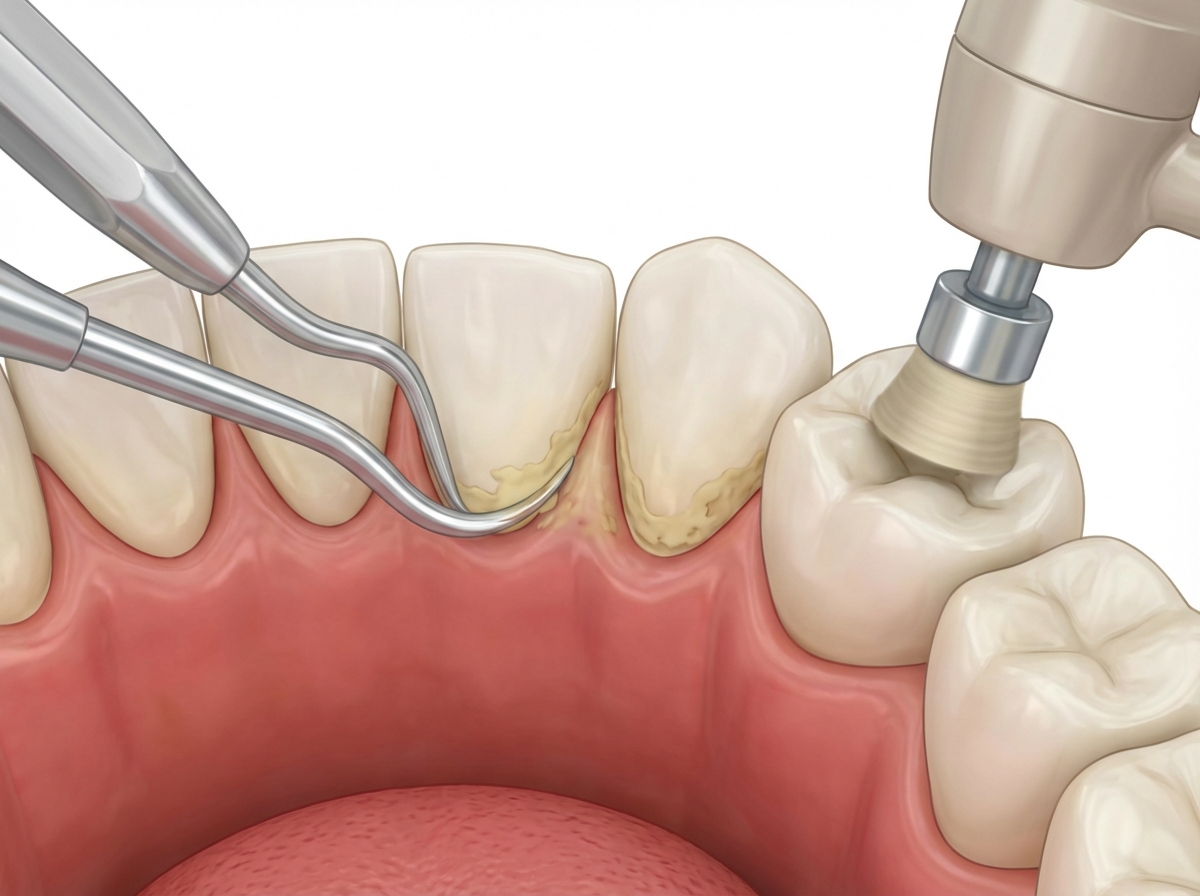
Cleanings
Even great brushing and flossing can't reach everything. Professional cleanings remove the plaque and tartar that build up in hard-to-reach areas, especially along the gumline and between teeth. It's one of the simplest and most effective ways to prevent cavities and gum disease.
Learn More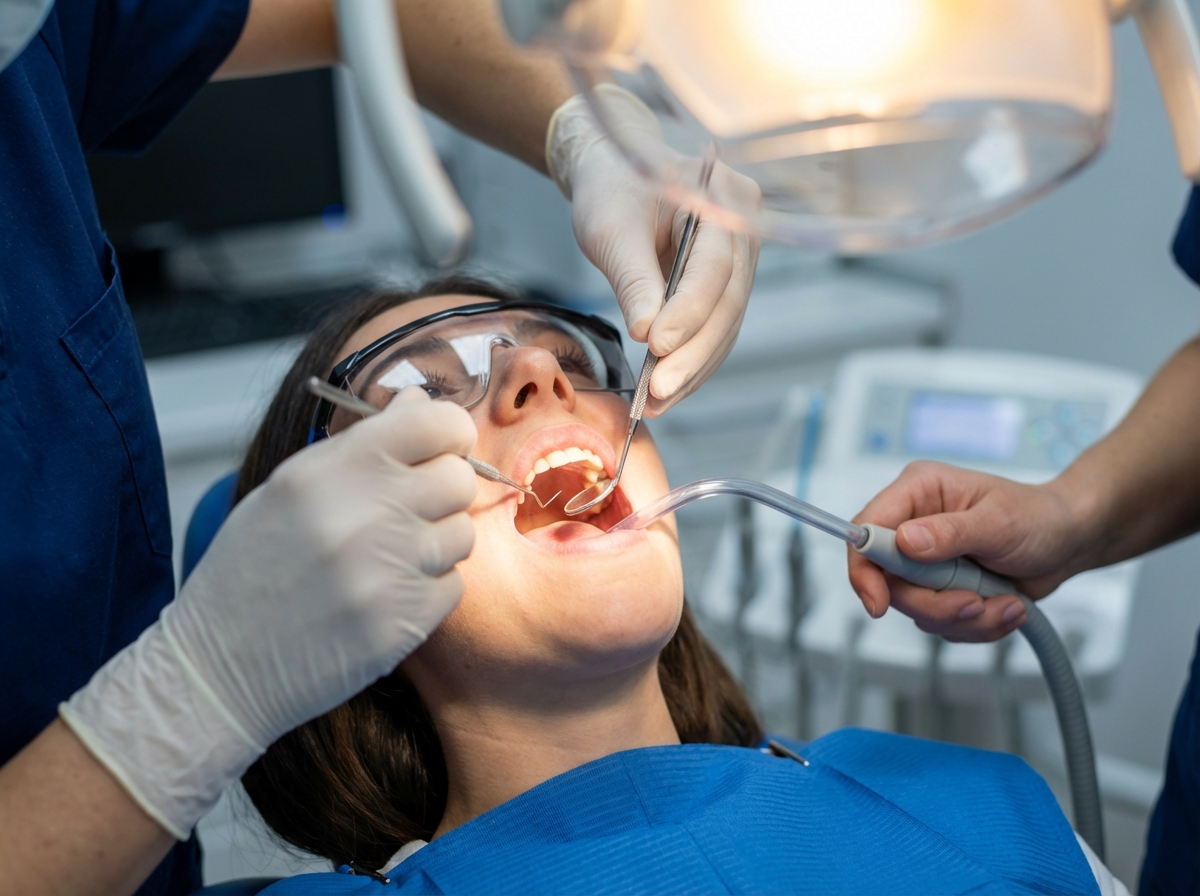
Checkups
Regular checkups are the foundation of everything we do. They let Dr. Lee catch problems early, often before you notice any symptoms. That means simpler treatments, less discomfort, and lower costs over time. We recommend every six months for most patients.
Learn MoreReady to Get Started?
Schedule a consultation to learn more about gingivitis treatment. Our team will create a personalized treatment plan tailored to your needs.