
Gum Disease: Signs, Stages, and Treatment
Gum disease affects nearly half of adults over 30, and many don't know they have it. It starts quietly, progresses slowly, and can cause permanent damage before you ever feel pain. Knowing the warning signs early gives you the best chance of stopping it.
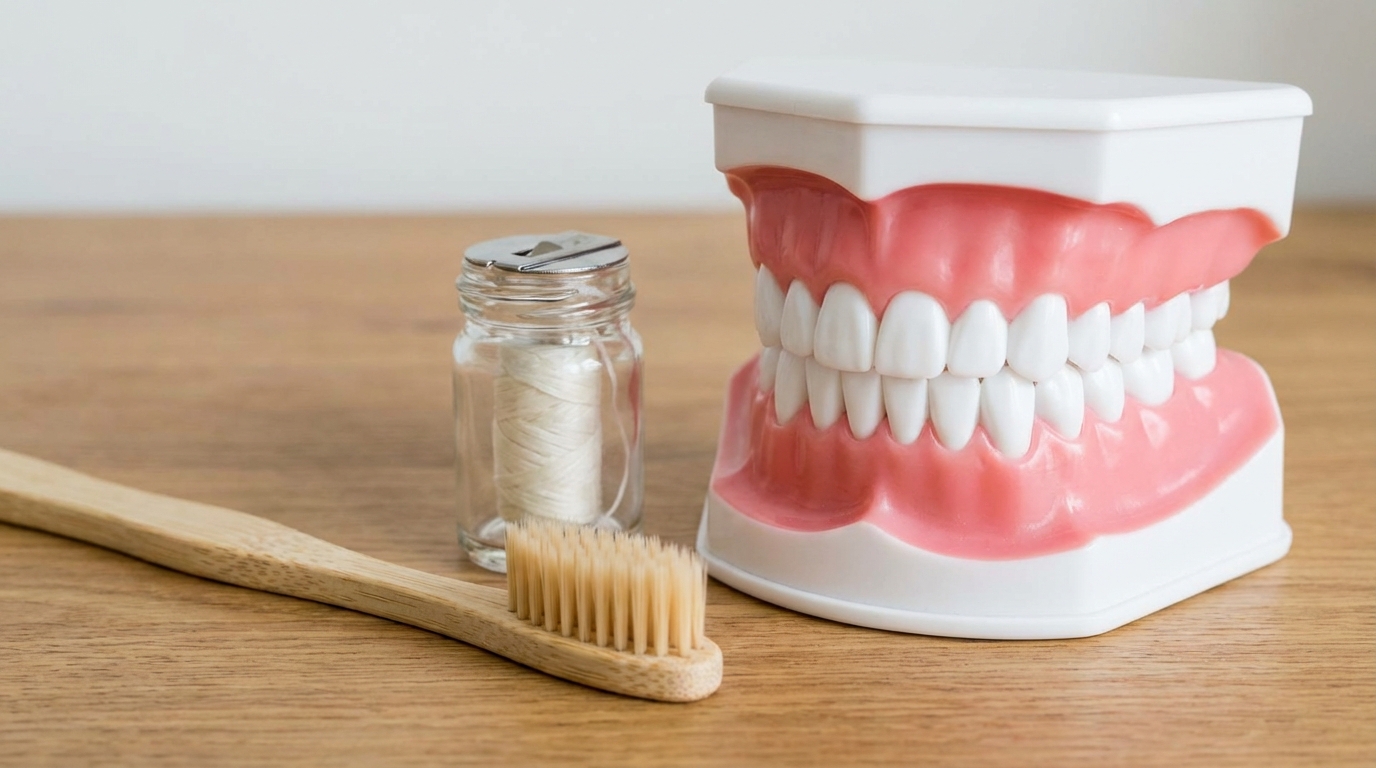
Your gums do more than you think. They anchor your teeth, seal out bacteria, and protect the bone underneath. When bacteria build up along the gumline and aren't removed through regular brushing and flossing, the gum tissue becomes inflamed. That's where gum disease starts.
Left alone, it doesn't stay mild. It progresses from surface-level irritation to deep infection that breaks down the bone and tissue holding your teeth in place. It's the leading cause of tooth loss in adults, not cavities.
Warning Signs to Watch For
Bad breath that won't go away. Morning breath is normal. Bad breath that persists after brushing and mouthwash is not. It can mean bacteria are producing infected material below your gumline that surface cleaning can't reach.
Bleeding gums. If your gums bleed regularly when you brush or floss, that's not normal. It's one of the earliest signs of gingivitis, the mildest form of gum disease. Gingivitis only affects the top layer of gum tissue and is fully reversible with professional treatment and better home care.
Receding gums. If your teeth look longer than they used to, your gumline may be pulling away. That means the tissue is breaking down and no longer supporting your teeth properly. This is a serious sign and worth getting looked at quickly.
Pain when chewing. Tender, swollen gums can make everyday eating uncomfortable. If your mouth hurts when you chew and there's no obvious cavity or crack, gum disease may be the cause.
Loose teeth. If any of your teeth feel like they're shifting or moving slightly, it means the support structure is weakening. This doesn't mean they're about to fall out tomorrow, but ignoring it can lead to tooth loss over time.
How It Progresses
Gingivitis is the earliest stage. Gums are red, swollen, and bleed easily, but no permanent damage has been done. A professional cleaning and consistent home care can reverse it completely.
Periodontitis is the next stage. The infection moves below the gumline. Your body's immune response starts breaking down bone and tissue. Gums pull away from the teeth, forming pockets that trap more bacteria. You may notice persistent bad breath, recession, or teeth that feel slightly loose.
Advanced periodontitis means significant bone loss has occurred. Teeth may shift, become visibly loose, or need to be extracted. Treatment at this stage is more involved but can still stabilize the condition and prevent further damage.
How We Treat It
For gingivitis, a professional cleaning combined with improved brushing and flossing is usually enough. For periodontitis, scaling and root planing, a deep cleaning that removes bacteria and tartar from below the gumline, is the standard first step.
More advanced cases may need antibiotic therapy, more frequent maintenance cleanings every 3 to 4 months, or referral to a periodontist for surgical treatment.
Prevention comes down to the basics: brush twice a day, floss daily, don't skip your checkups, and don't smoke. Tobacco is one of the strongest risk factors for gum disease.
Have Questions? We're Here to Help
Our team is ready to answer your questions and help you achieve optimal dental health.