
Gaps in Your Teeth: Causes and Treatment Options
A gap between your teeth, called a diastema, is incredibly common. About one in four Americans have one. Whether it's something you've always had and don't mind, or something you notice every time you look in the mirror, you have options.
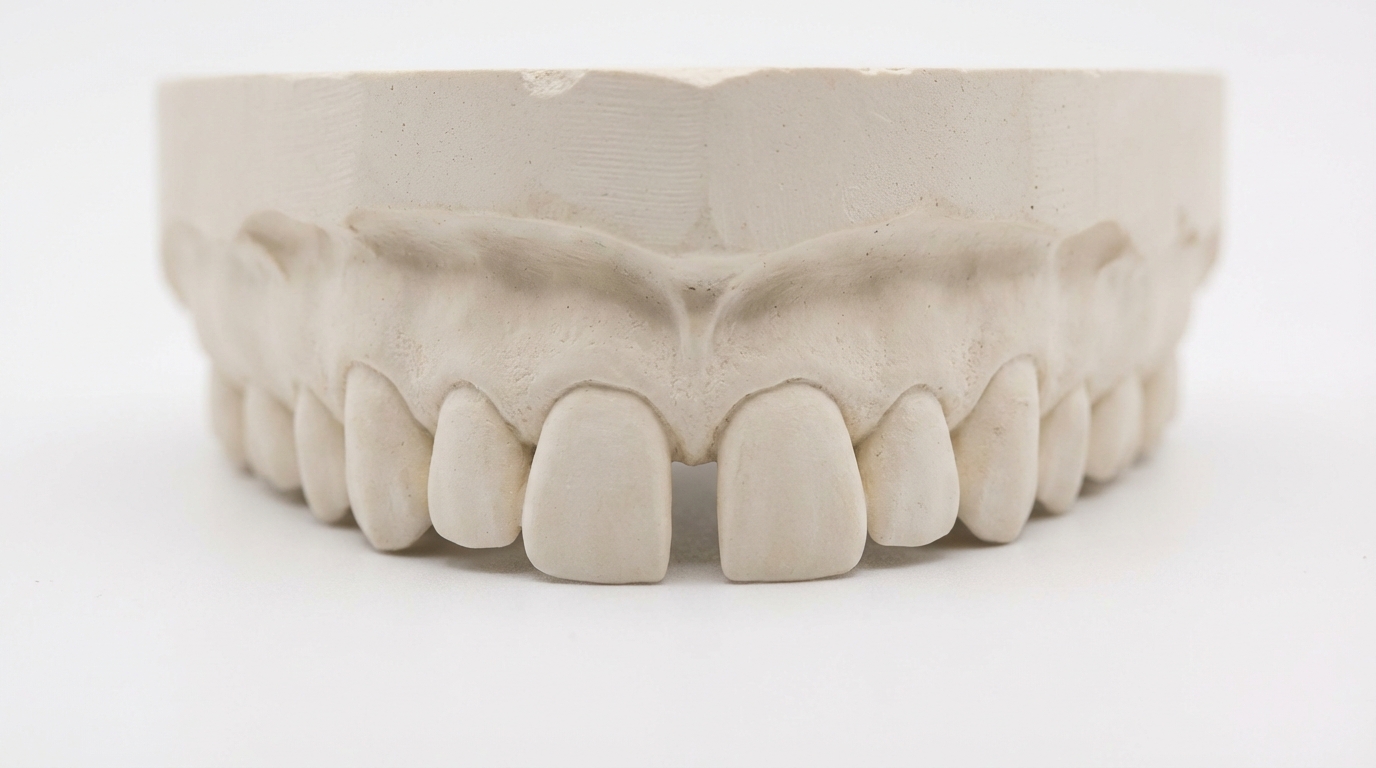
Gaps between teeth are most common between the upper front teeth, but they can occur anywhere in the mouth. In some cases they close on their own as adult teeth come in. In others, they stick around permanently.
Whether or not to treat a gap is entirely your choice. If it's not causing any dental problems, it's perfectly fine to leave it alone. But if it bothers you, traps food regularly, makes flossing difficult, or affects your confidence, there are several ways to close it.
What Causes Gaps
Common causes include a size mismatch between your teeth and jaw, where smaller teeth in a larger jaw create natural spacing. Missing teeth that allow remaining teeth to drift apart. An oversized labial frenum, the tissue connecting your upper lip to your gum, that pushes the front teeth apart. Gum disease causing bone loss and tooth shifting. And childhood habits like thumb sucking or tongue thrusting.
Sometimes a gap develops later in life after losing a tooth or as gum disease progresses. If a gap appears suddenly or seems to be widening, it's worth scheduling an evaluation to rule out something more serious.
How to Close the Gap
Dental bonding is the quickest and most affordable option. Tooth-colored composite resin is applied to the sides of the teeth to fill a small gap in a single visit. The resin is matched to your natural shade and sculpted by hand for a seamless look. Bonding typically lasts 5 to 10 years. It can stain over time from coffee, wine, and tobacco, so good hygiene matters.
Porcelain veneers provide a more durable, stain-resistant solution. They're a good choice for larger gaps or when you also want to change the shape, size, or shade of your teeth at the same time. Veneers last 10 to 15 years.
Invisalign can close gaps by gradually moving your teeth together. This is the best option when the gap is caused by spacing rather than missing teeth. It addresses the root cause instead of covering it.
If a gap resulted from a missing tooth, a dental implant or bridge fills the space permanently and prevents the surrounding teeth from drifting further.
Dr. Lee assesses your specific situation and recommends the approach that gets the best result with the least intervention.
Have Questions? We're Here to Help
Our team is ready to answer your questions and help you achieve optimal dental health.